
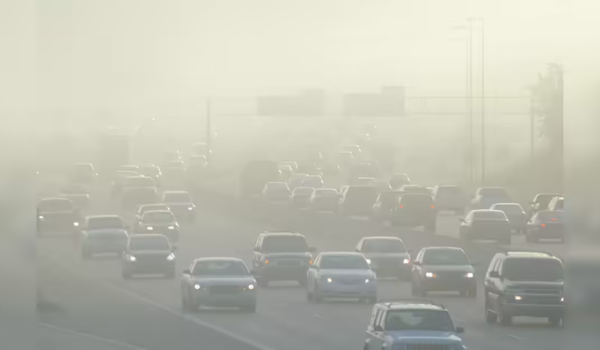
A striking new report has highlighted the worsening air quality crisis across urban India, revealing that nearly half of the country’s cities are grappling with chronic pollution. Despite the scale of the problem, only a small fraction of affected cities-around 4%-are currently included in the government’s flagship air quality improvement program, leaving millions exposed to unhealthy and potentially harmful air.
The findings paint a concerning picture of urban air quality, underscoring how pollution has become a daily reality in many parts of the country. From major metropolises to smaller industrial towns, smog and suspended particulate matter have become common sights, especially during winter months when weather conditions trap pollutants close to the ground. Residents in these areas report hazy skies, burning eyes, and difficulty breathing symptoms that once were occasional, but now appear to be part of everyday life.
Air pollution affects people of all ages, but experts warn that children, the elderly, and those with respiratory conditions are particularly vulnerable. Long-term exposure to polluted air is linked to increased rates of asthma, bronchitis, heart disease, and other chronic illnesses. In polluted cities, many families have begun adjusting their routines avoiding outdoor playtime for kids, installing air purifiers at home, and following real-time air quality updates before stepping outside.
The report’s revelation that only a small percentage of polluted cities are covered under the National Clean Air Plan (NCAP) has raised concerns about the effectiveness and reach of current environmental policies. Launched with the aim of combating air pollution through city-specific action plans, monitoring systems, and pollution control measures, the NCAP has been seen as a key government effort to improve air quality. However, the limited coverage suggests that many areas suffering from persistent pollution are still outside the scope of targeted intervention.
Several factors contribute to the widespread air pollution problem. Rapid urbanization, growing vehicle numbers, industrial emissions, construction dust, and seasonal crop burning in neighboring rural regions all combine to worsen air quality. Traffic congestion in city centers adds to the problem, as more vehicles on the road mean higher emissions of nitrogen oxides and particulate matter. In industrial belts, emissions from factories further compound the situation, creating a toxic mix of airborne pollutants that can linger for days.
Local residents have voiced frustration over the lack of timely action and long-term solutions. Many people say that while awareness about the dangers of air pollution has grown, concrete changes in infrastructure and policy have not kept pace. Calls for improved public transport, stricter vehicle emissions standards, and green buffers around industrial zones are among the common demands echoed by citizens and community groups.
Public health advocates argue that expanding the reach of national air quality initiatives is critical to protect vulnerable populations and improve quality of life. They emphasize that efforts must go beyond monitoring pollution and focus on reducing emissions at the source. This could include promoting cleaner fuels, encouraging electric vehicles, and investing in sustainable urban planning that reduces reliance on polluting forms of transport.
Meanwhile, schools in some of the most affected cities have started to shift schedules and limit outdoor activities on days with hazardous air quality levels. Parents, too, are becoming more vigilant, monitoring daily air quality indexes and making decisions about children’s outdoor exposure based on pollution alerts.
The economic implications of deteriorating air quality are also significant. Healthcare systems face increased pressure from pollution-related illnesses, and productivity can be affected as more people take sick leave due to respiratory problems. For a country striving toward rapid economic growth, balancing development with environmental sustainability remains a daunting challenge.
Despite these hurdles, there are instances of local initiatives aimed at improving air quality. Community clean-air campaigns, tree-planting drives, and awareness workshops have sprung up in several cities. These grassroots efforts, while valuable, highlight the need for stronger policy support and larger-scale implementation of air quality measures.
Experts suggest that strengthening collaboration between central and state governments, allocating more resources to under-covered cities, and adopting innovative pollution-control technologies could help expand the impact of national programs. With nearly half of urban India still struggling with severe pollution, the urgency to act has never been clearer.
As citizens continue to navigate life under polluted skies, the push for comprehensive solutions is gaining momentum. Whether through expanded national plans, improved urban planning, or citizen-driven movements, the demand for cleaner air is increasingly shaping public dialogue and policy priorities.
For more details and the fastest updates, follow us on @namma.updates. Stay informed and stay connected.