
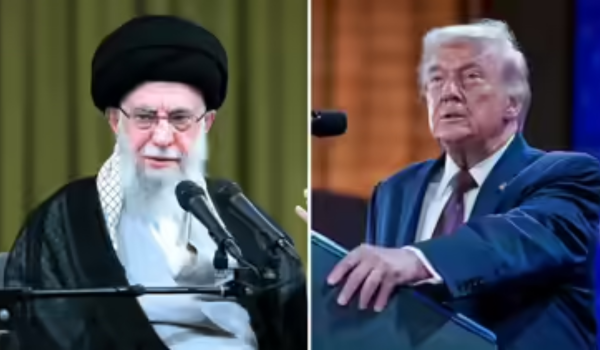
Tensions in the Middle East have sharply escalated after reports that the United States is considering potential action against Iran’s senior leadership, prompting a strong warning from Tehran that it could retaliate by striking the heart of Tel Aviv. The exchange of threats has raised fears of a wider regional confrontation at a time when the region is already facing heightened instability.
While no official confirmation has been issued about an imminent strike, the growing rhetoric from both sides has placed regional allies, global markets, and diplomatic channels on high alert.
What Is Driving the Escalation:
The latest tension follows a series of developments that have strained US-Iran relations, including ongoing disputes over regional security, Iran’s role in Middle East conflicts, and concerns in Washington about Tehran’s military posture. US officials have signalled that all options remain on the table if American interests or allies are threatened.
In response, Iranian leaders have issued strong warnings, saying any direct action against their leadership would trigger swift and severe retaliation. The mention of Tel Aviv has intensified concerns in Israel and across the region, given the potential for escalation involving multiple countries.
Regional and Global Concerns:
The sharp exchange has heightened anxiety across the Middle East, where even limited military action could quickly spiral into a broader conflict. Israel, a key US ally, has increased its state of preparedness, while neighbouring countries are closely monitoring the situation for any spillover effects.
Global powers are also watching developments closely. Any direct confrontation between the US and Iran could disrupt energy supplies, impact shipping routes, and add pressure to an already fragile global economy.
Impact on Markets and Energy:
Markets tend to react quickly to geopolitical uncertainty in the Middle East, especially when major oil-producing regions are involved. Analysts warn that rising tensions could lead to volatility in oil prices, affect currency movements, and shake investor confidence worldwide.
Energy-importing nations, in particular, are concerned about potential disruptions to supply chains if the situation worsens.
Diplomatic Efforts Continue:
Despite the heated rhetoric, diplomatic channels remain active. International stakeholders are urging restraint, emphasising the need for dialogue to prevent further escalation. Behind the scenes, efforts are reportedly underway to de-escalate tensions and avoid direct confrontation.
Experts note that public warnings and strong language are often used as strategic pressure tactics, though the risk of miscalculation remains high.
What Happens Next?
For now, uncertainty dominates. While military action is being discussed, there is no clear indication of immediate moves. Much will depend on diplomatic efforts, regional developments, and how both sides manage the growing war of words.
As the situation unfolds, the focus remains on whether cooler heads will prevail or whether the latest standoff will push the region closer to a dangerous tipping point.
For more details and the fastest updates, follow us on @namma.updates. Stay informed and stay connected.