
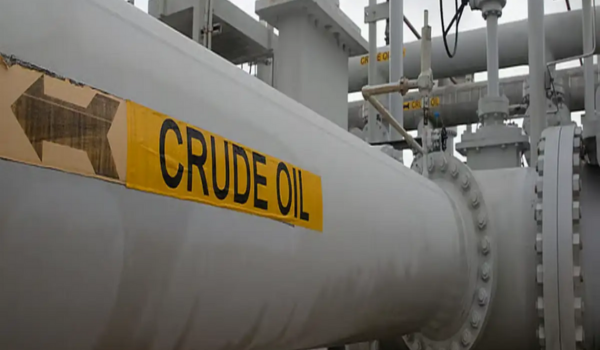
Global oil prices moved lower after former U.S. President Donald Trump signaled that Washington could be open to diplomatic talks with Iran, easing fears of fresh tensions in the Middle East. The comments sparked a wave of selling in oil markets, as traders reassessed the risk of supply disruptions from one of the world’s most important energy-producing regions.
In recent weeks, crude prices had been supported by concerns over geopolitical uncertainty, especially around Iran and its role in global energy supply routes. Any sign of conflict or tighter sanctions typically pushes prices higher because of fears that exports could be disrupted. However, Trump’s remarks suggesting the possibility of dialogue and a deal changed the mood in the market, encouraging investors to book profits after the recent rally.
Both major oil benchmarks, Brent crude and U.S. West Texas Intermediate (WTI), slipped as traders reacted to the softer political tone. The drop reflects a broader shift in sentiment, with markets now factoring in a lower risk premium linked to Middle East tensions. For oil consumers, this could be a welcome development, as lower crude prices often translate into some relief on fuel costs, though retail prices also depend on taxes and local market conditions.
Market analysts say the move highlights how sensitive oil prices remain to political signals. Even a small hint of diplomacy between the U.S. and Iran can have an outsized impact on prices because of the region’s importance to global supply. Iran holds some of the world’s largest oil reserves, and any easing of tensions could eventually lead to more stable exports, increasing overall supply in the market.
At the same time, other factors are also influencing oil prices. The U.S. dollar has remained relatively firm, which usually puts pressure on commodity prices, including crude. In addition, concerns about global economic growth and demand trends continue to shape trading decisions, with investors closely watching data from major economies to gauge future fuel consumption.
On the supply side, major producers are maintaining a cautious approach. Output levels from key oil-producing nations remain under close watch, and any changes in production policy could further influence price movements in the coming weeks. For now, the combination of diplomatic signals, currency movements, and demand outlook is keeping the market on edge.
Looking ahead, oil traders are likely to remain highly reactive to political developments, especially any concrete steps toward talks or agreements between the U.S. and Iran. If diplomacy gains momentum, crude prices could stay under pressure. However, any sign of renewed tension or stalled negotiations could quickly reverse the trend and push prices higher again.
For now, the latest slide in crude oil prices shows just how quickly market sentiment can change when geopolitics enters the picture—and how closely the energy market is watching every signal coming from Washington and Tehran.
For more details and the fastest updates, follow us on @namma.updates. Stay informed and stay connected.