
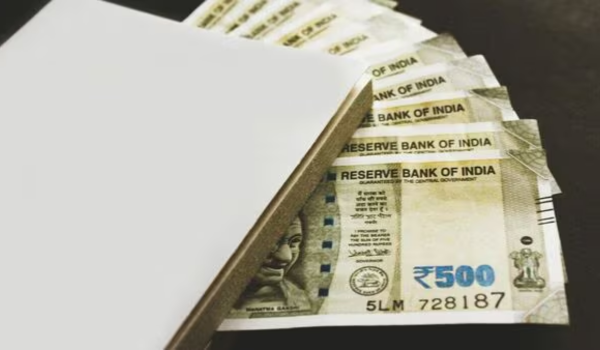
The Indian rupee opened on a positive note on Tuesday, strengthening by 7 paise to trade at 90.40 against the US dollar in early market hours. The modest but steady rise reflects improved sentiment in the currency market, supported by favorable global cues and stable domestic conditions.
Currency traders said the rupee’s early gains were driven by a slightly weaker US dollar in global markets and a supportive trend in Asian currencies. A cautious but positive mood in Indian equity markets also helped the local unit hold firm in morning trade, as foreign investors showed signs of selective buying.
Another important factor influencing the rupee’s movement is the price of crude oil in the international market. Since India depends heavily on imported oil, any stability or softness in crude prices tends to ease pressure on the rupee. Market participants noted that stable energy prices in early trade helped limit downside risks for the domestic currency.
The rupee’s performance is also being closely linked to foreign fund flows. When overseas investors bring money into Indian stocks and bonds, demand for the rupee rises, supporting the currency. On the other hand, any sudden outflow of funds or rise in global risk aversion can quickly put pressure on the exchange rate.
Despite the positive start, experts believe the rupee may continue to face ups and downs through the day. Global developments, including movements in the dollar index, changes in US bond yields, and signals from major central banks, are expected to influence intraday trading. Geopolitical developments and overall risk appetite in global markets could also add to short-term volatility.
For businesses, even small changes in the rupee’s value matter. A stronger rupee helps reduce the cost of imports, especially fuel, machinery, and raw materials, which can ease pressure on inflation. At the same time, exporters usually prefer a slightly weaker rupee, as it makes Indian goods more competitive in overseas markets and boosts earnings when converted back to local currency.
Market analysts say the rupee’s near-term direction will depend on a mix of global and domestic factors, including equity market trends, crude oil prices, and investor sentiment. If positive cues continue, the currency could try to hold on to its gains, but any sudden shift in global markets may lead to fresh pressure.
For now, the rupee’s stronger opening has set a cautiously optimistic tone for the trading session, with investors and traders closely watching global signals to see whether the domestic unit can maintain its upward momentum through the day.
For more details and the fastest updates, follow us on @namma.updates. Stay informed and stay connected.