
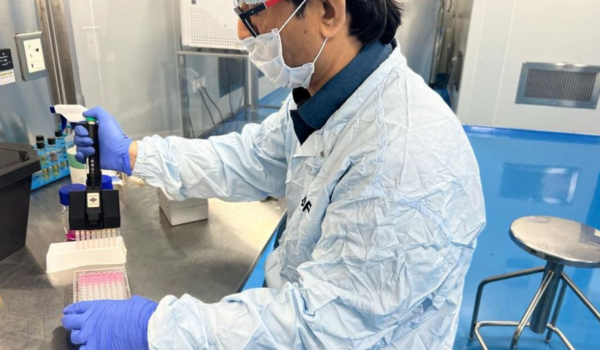
Scientists at the Centre for Cellular and Molecular Biology (CCMB) have made a significant breakthrough in the fight against fungal infections by identifying metabolism as a promising new target for antifungal therapies. The discovery could pave the way for the development of more effective and safer treatments, especially at a time when resistance to existing antifungal drugs is becoming a growing global concern.
Fungal infections affect millions of people worldwide, particularly those with weakened immune systems. While antifungal medicines are available, treatment options remain limited, and many drugs can cause severe side effects or lose effectiveness over time due to resistance. Researchers believe that targeting fungal metabolism could offer a fresh and more precise approach to combating these infections.
According to the scientists, fungal cells rely on specific metabolic pathways to grow, survive, and adapt to hostile environments such as the human body. By disrupting these metabolic processes, it may be possible to weaken or kill the fungi without causing significant harm to human cells. This approach could help overcome some of the major limitations of current antifungal treatments, which often struggle to distinguish between fungal and human cells.
The research highlights how fungal metabolism differs from that of human cells, creating unique vulnerabilities that can be exploited for drug development. Scientists say this opens up new possibilities for designing therapies that are more targeted, reducing toxicity and improving patient outcomes.
Experts note that the discovery is particularly important given the rise in serious fungal infections globally. Factors such as increased use of immunosuppressive treatments, hospital-acquired infections, and climate-related changes have contributed to the growing threat posed by fungal diseases. The need for innovative treatment strategies has therefore become more urgent than ever.
By focusing on metabolism, researchers believe future antifungal drugs could be designed to block key energy-producing or nutrient-processing pathways in fungi. This could slow down infection, prevent fungal spread, and enhance the body’s ability to fight the disease, either on its own or in combination with existing therapies.
The findings also have broader implications for biomedical research, as understanding metabolic adaptations in fungi could help scientists predict how these organisms respond to stress, drug exposure, and immune defenses. This knowledge may lead to improved diagnostics and personalized treatment strategies in the future.
While further studies and clinical trials will be needed before new treatments reach patients, scientists describe the discovery as a major step forward in antifungal research. The identification of metabolism as a viable drug target offers renewed hope for developing next-generation therapies that are more effective, durable, and patient-friendly.
As research progresses, the breakthrough is expected to strengthen India’s contribution to global infectious disease research and highlight the growing role of advanced biological science in addressing critical public health challenges.
For more details and the fastest updates, follow us on @namma.updates. Stay informed and stay connected.