
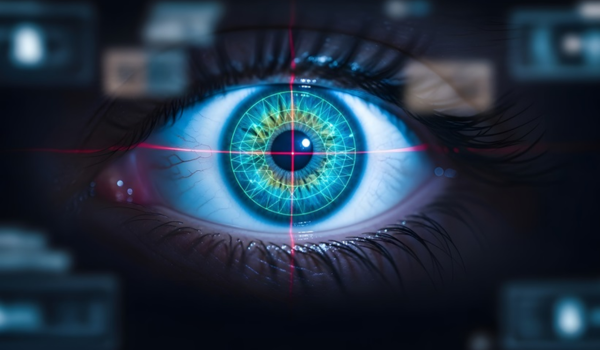
A new advancement in artificial intelligence is set to transform how blood pressure is measured, as researchers unveil a contactless method using retinal imaging technology. By combining high-resolution eye scans with powerful AI algorithms, the system can estimate blood pressure levels without the need for traditional arm cuffs or physical contact.
The innovation focuses on analyzing the tiny blood vessels in the retina, located at the back of the eye. These vessels reflect changes in cardiovascular health, and subtle variations in their structure can indicate fluctuations in blood pressure. Using vast datasets and machine learning models, scientists have trained AI systems to recognize patterns in retinal images and accurately predict blood pressure readings.
Unlike conventional blood pressure monitors that require inflatable cuffs, the AI-based method is non-invasive and quick. A retinal scan can be completed within seconds, making the process more comfortable and efficient for patients. This breakthrough has the potential to simplify routine health screenings and reduce dependence on bulky medical equipment.
Healthcare experts believe the technology could significantly benefit telemedicine and remote healthcare services. In rural or underserved areas where medical facilities may be limited, contactless retinal scans could offer a practical solution for monitoring cardiovascular health. The ability to conduct fast, automated screenings may also support large-scale public health initiatives.
Another key advantage of this approach is improved hygiene and reduced infection risk, especially in clinical environments. Since the method requires no physical contact, it can be integrated into automated kiosks, diagnostic centers, and hospital settings with minimal risk of cross-contamination.
Beyond blood pressure measurement, AI-driven retinal imaging could open doors to early detection of heart disease, stroke risk, and other vascular conditions. By identifying warning signs at an early stage, doctors may be able to intervene sooner and provide more personalized treatment plans.
While further clinical trials and regulatory approvals are expected before widespread use, early findings suggest that AI-powered retinal imaging represents a promising future for preventive healthcare. As artificial intelligence continues to reshape the medical field, contactless blood pressure monitoring may soon become a standard tool in modern healthcare systems.
For more details and the fastest updates, follow us on @namma.updates. Stay informed and stay connected.