
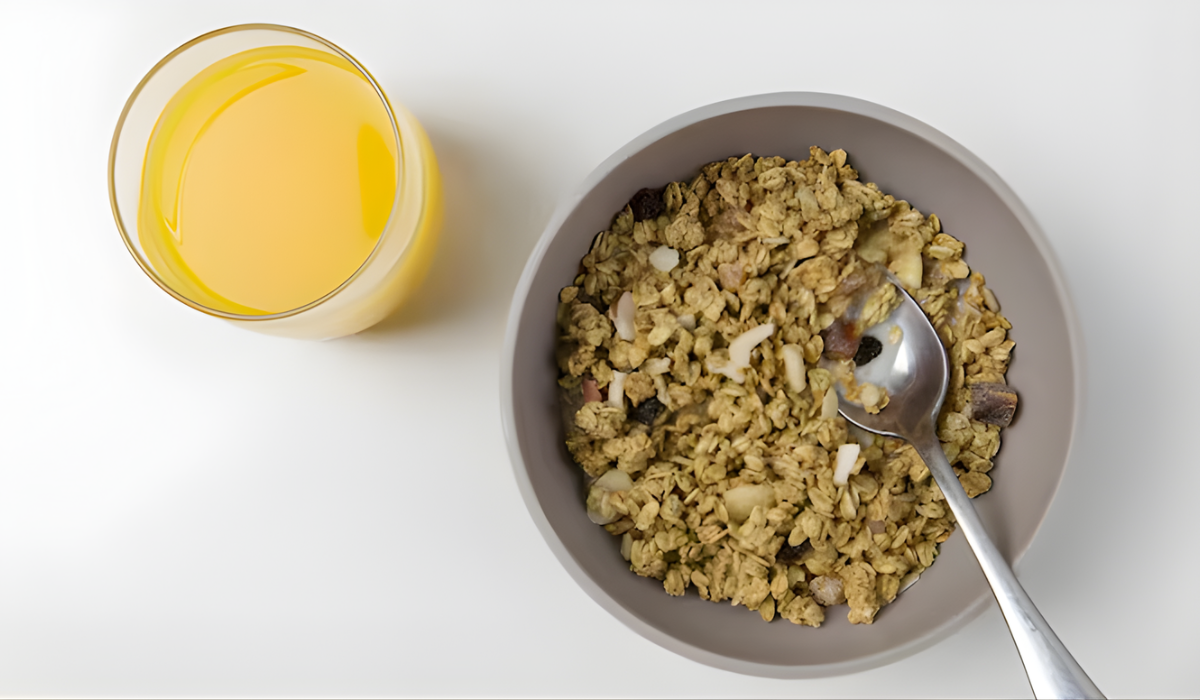
A brief oatmeal-based diet may significantly lower bad cholesterol levels, with researchers noting that the benefits can last for weeks and support overall heart health.
Oats have long been regarded as a healthy breakfast choice, but new research indicates they may offer even greater benefits, particularly for heart health.
A recent study by the University of Bonn found that following an oat-based diet for just two days can significantly lower cholesterol levels, with the positive effects lasting for weeks.
Dr. Sanjeeva Kumar Gupta, Consultant in the Department of Cardiology at CK Birla Hospital, said such findings highlight the crucial role of diet in maintaining heart health. “Oats are rich in soluble fibre, particularly beta-glucan, which helps reduce LDL, or ‘bad’ cholesterol.
While a short-term oat-based diet may offer immediate benefits, maintaining consistent, long-term dietary habits is essential for lasting heart protection,” he explained.
What the research discovered
In the study, participants with metabolic syndrome followed a strict oat-based diet for two days, consuming around 300 grams of oatmeal daily, split into three meals and supplemented with small portions of fruits or vegetables.
The findings were significant:
- LDL (bad cholesterol) decreased by approximately 10%
- Participants experienced an average weight loss of about 2 kg
- Blood pressure showed modest improvement
- The benefits remained noticeable even after six weeks
Although a control group followed a calorie-restricted diet, the improvements were markedly greater among those who consumed oats.
Why oats work: the gut health connection
Researchers found that oats may help lower cholesterol by positively altering the gut microbiome – the community of bacteria in the digestive system.
The oat-based diet increased beneficial gut bacteria, which produce compounds that support metabolism. One such compound, ferulic acid, has been linked to better cholesterol regulation.
At the same time, oats were found to reduce substances associated with insulin resistance, a key factor in the development of diabetes.
Short-term vs long-term oat consumption
Interestingly, the study found that a short, high-intensity oat diet produced stronger effects than a longer, moderate approach.
Participants who consumed 80 grams of oats daily for six weeks experienced only modest improvements compared to those following the strict two-day oat plan.
This suggests that short, structured dietary interventions may sometimes yield quicker metabolic benefits.
How to include oats in your daily diet
While the study followed a strict oat-only regimen, experts note that such extreme diets are not required in everyday life.
Oats are naturally rich in fibre and can support heart health when included regularly in a balanced diet.
One cup of oats provides approximately 4–6 grams of fibre.
Adding oats along with fruits, vegetables, and whole grains can help meet the recommended daily fibre intake of 25–35 grams.
What it means for your health
The findings deliver a clear and powerful message: diet plays a direct role in heart health.
However, experts warn against relying on short-term diets as a substitute for medical care. Individuals with high cholesterol or existing health conditions should consult a doctor before making significant dietary changes.
A two-day oat-based diet may help lower bad cholesterol and improve metabolic health, with benefits lasting for weeks.
For sustained results, experts emphasise the importance of consistent healthy eating, regular check-ups, and personalised medical guidance.