
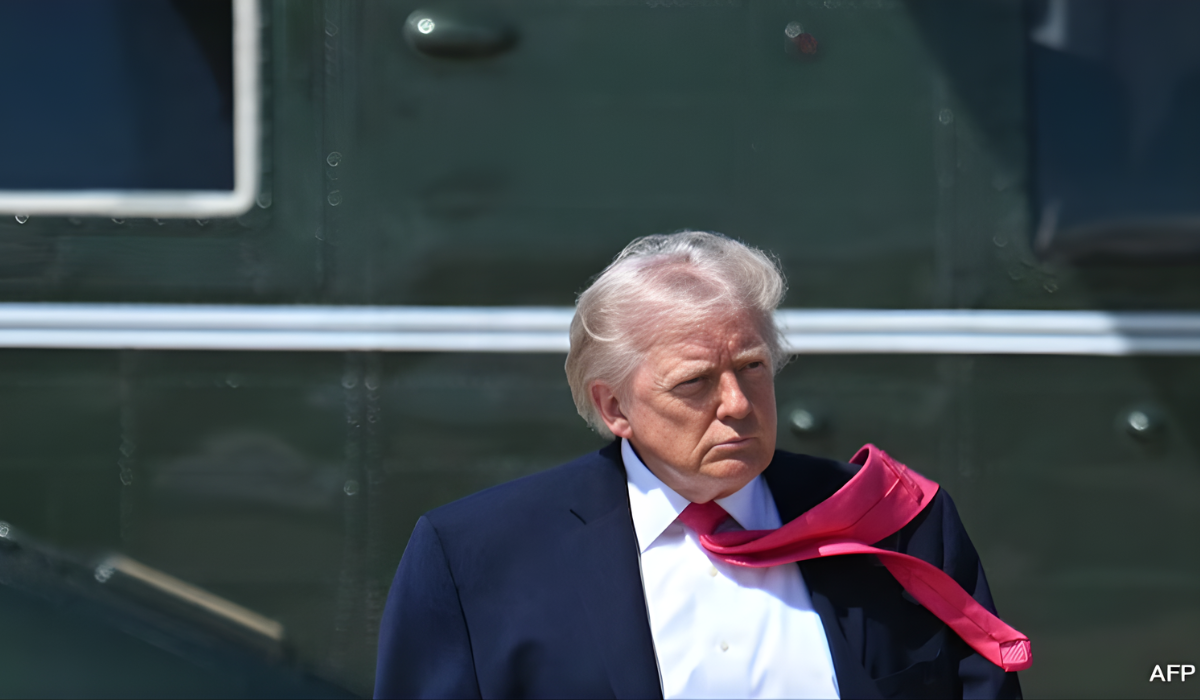
Sources familiar with the matter said preparations are in progress and discussions are advancing, indicating renewed momentum, with Donald Trump potentially participating either in person or virtually, depending on progress toward a deal.
The United States has expressed cautious optimism that ceasefire talks with Iran could resume in Pakistan as early as Wednesday, with the possibility that Donald Trump may participate either in person or virtually if a breakthrough is achieved. However, despite renewed momentum, considerable uncertainty and lingering mistrust continue to cloud the diplomatic process ahead of the approaching ceasefire deadline.
According to Reuters, citing a Pakistani source involved in the discussions, preparations are underway and talks are “on track,” indicating growing momentum after earlier negotiations in Islamabad concluded without an agreement.
The same source noted that Donald Trump’s participation – either in person or virtually – is still being considered, especially if both sides make progress toward a deal.
“I have no problem meeting them. If they want to meet – and we have very capable people – I have no problem meeting them.” The New York Times quoted Donald Trump as saying on Monday, underscoring the US President’s openness to diplomatic engagement.
Washington is pushing for an agreement that would stabilize global markets and curb further spikes in oil prices, while firmly maintaining that Iran must not retain the ability to develop nuclear weapons.
Tehran, meanwhile, is seeking relief from sanctions and aims to preserve its nuclear programme, while also using its strategic control over the Strait of Hormuz as leverage in negotiations.
An Iranian official said the country is “positively reviewing” the prospect of rejoining the talks, though no final decision has yet been made. The remark signals a slight shift from earlier positions, when Iranian authorities had ruled out participation amid rising tensions.
Financial markets responded quickly to renewed diplomatic hopes. Oil prices declined in early Asian trading, reversing gains from the previous day when uncertainty had pushed prices higher. Brent crude edged down, while US crude also fell, reflecting expectations that successful negotiations could ease potential supply disruptions.
Differences remain, and mistrust continues to persist
Despite these developments, tensions remain elevated. Iran has accused the United States of intercepting one of its commercial vessels over the weekend, describing the move as a violation and demanding the immediate release of the ship and its crew.
Washington has defended the action, asserting that the vessel was carrying materials with potential military applications and had failed to respond to repeated warnings.
The incident has further strained ties, with Iran warning that it will defend its national interests against any escalation.
At the same time, diplomatic rhetoric has intensified, with Iranian officials condemning what they call coercive tactics and rejecting negotiations conducted under pressure.
The broader conflict, which began in late February, has already led to significant casualties and heightened regional instability.
Parallel military operations have disrupted energy supplies and raised concerns about a prolonged crisis that could push the global economy toward a recession.
Both sides have alternately imposed and lifted blockades, particularly around critical oil transit routes, heightening concerns over energy security.
Pakistan urges calm
Pakistan, acting as a mediator, has called for restraint and urged the removal of blockades to create space for diplomacy.
The ceasefire is set to expire within days, adding urgency to the negotiations. While US officials say a deal is within reach, they have also warned of further action if talks collapse.
Iran has issued its own warnings, signalling possible retaliation against regional infrastructure if the conflict resumes.
As preparations continue in Islamabad amid heightened security, the coming days are viewed as crucial.
Whether the talks take place – and whether Donald Trump ultimately participates – could determine whether the fragile ceasefire develops into a broader agreement or collapses back into conflict.