
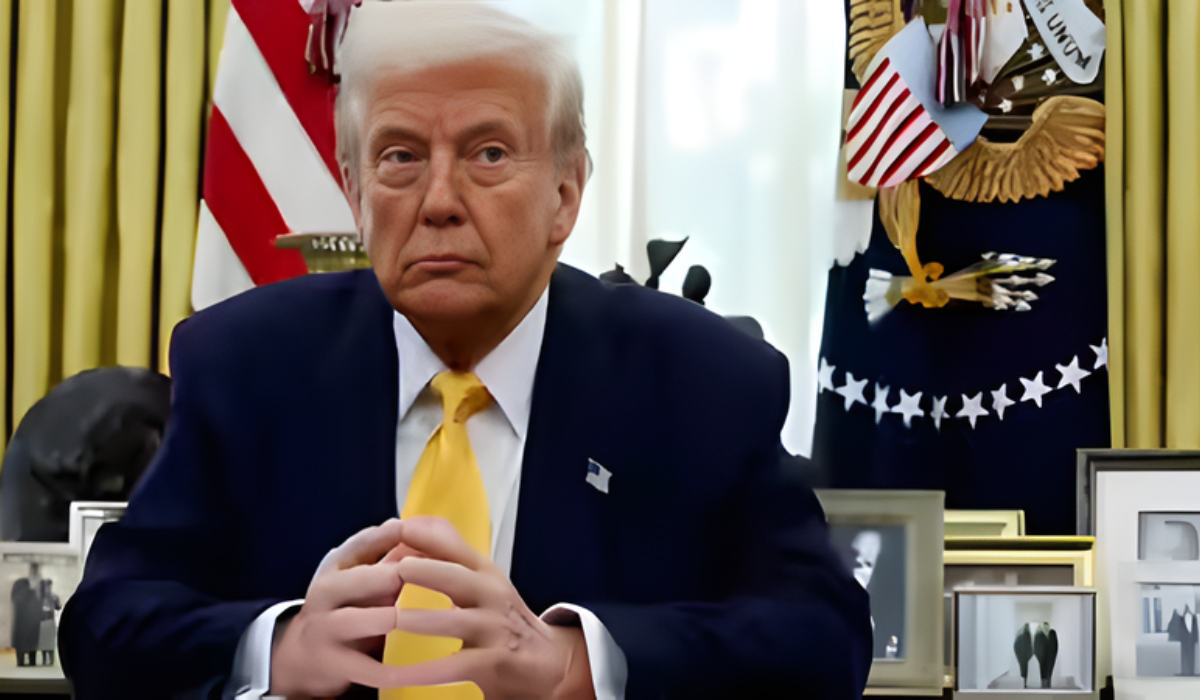
US President Donald Trump has reportedly given Iran a brief window of “three to five days” to present a unified proposal for negotiations. According to an Axios report citing three US officials, the current ceasefire extension is not expected to continue indefinitely.
The report suggests that Trump’s decision effectively sets a short deadline for Tehran. One US official familiar with the matter told Axios that Trump is prepared to allow only a few more days of ceasefire to give Iran time to organise its position, stressing that the extension will not be open-ended.
According to officials quoted in the report, the ceasefire extension is intended to pressure Iran’s leadership to unify its negotiating stance before the temporary truce ends. Once the deadline passes, Washington is expected to decide its next steps based on Tehran’s response.
Here’s a clear and polished rephrased version:
Earlier on Wednesday, US President Donald Trump said he had decided to extend the ceasefire to give Iran’s leadership additional time to present a clear and unified negotiating proposal. In a social media post, he stated that the ceasefire would remain in place until Iran put forward a plan to end the conflict, while also instructing the US military to maintain a naval blockade of Iranian ports.
The extension was announced just hours before the truce was expected to expire. Trump said the move followed requests from Asim Munir and Shehbaz Sharif, and also pointed to internal divisions within Iran’s leadership.
In a post on Truth Social, Donald Trump said the decision was influenced by internal divisions within Iran’s government and requests from Pakistan’s leadership, including Asim Munir and Shehbaz Sharif. He stated that the United States has agreed to hold off on any planned attack on Iran until its leaders and representatives present a unified proposal for negotiations.
He further stated that he has instructed the military to continue the blockade while remaining fully prepared in all other aspects. He added that the ceasefire will be extended until Iran submits its proposal and negotiations are concluded, regardless of the outcome.
The ceasefire, arranged earlier this month to allow room for diplomatic efforts, has remained fragile, with both sides expressing concerns over its implementation.
Meanwhile, the White House announced that Vice President JD Vance will not be traveling to Pakistan for the anticipated second round of peace talks. A White House official confirmed that the trip will not take place as scheduled, adding that any updates regarding future in-person meetings will be communicated by the White House.