
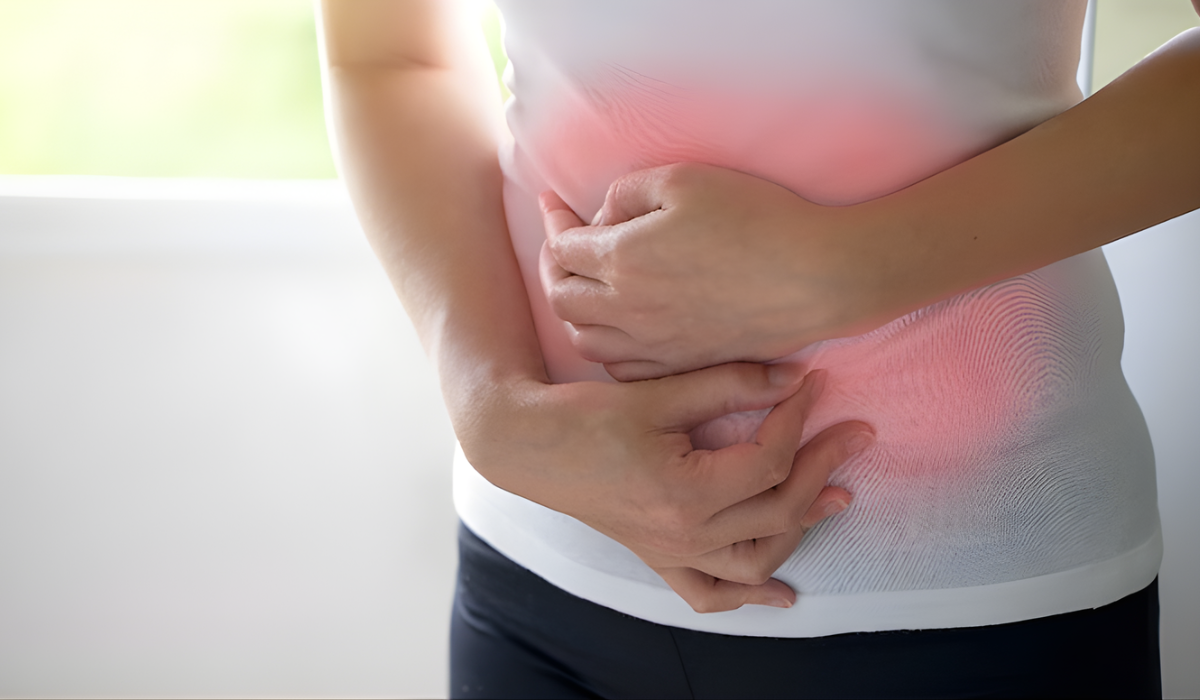
As temperatures climb beyond 40°C, doctors are witnessing a sharp increase in heat-related illnesses, especially those affecting the digestive system. From acidity and bloating to vomiting and diarrhoea, hospitals are seeing a steady stream of patients with gut-related complaints – even among those who haven’t consumed outside food.
In response, several district hospitals across the city have set up dedicated heatwave clinics to handle the growing number of cases.
Stomach pain and diarrhoea account for a significant share of heat-related illnesses, highlighting how extreme heat affects more than just dehydration and fatigue.
Individuals with pre-existing digestive conditions are struggling more during the heat, as high temperatures can aggravate underlying gut issues, making symptoms more severe and frequent.
Why Does Hot Weather Affect the Stomach So Much?
High temperatures create ideal conditions for bacteria and viruses to multiply quickly, increasing the risk of gastrointestinal infections.
At the same time, the body loses more fluids through sweating. If these fluids aren’t replenished, dehydration can set in – affecting normal gut function and making the body more vulnerable to infections.
“High temperatures can cause blood vessels to dilate, diverting blood flow away from the digestive system to help regulate body temperature. This can impair digestion and trigger symptoms such as cramps, diarrhoea, and bloating,” said Mahesh Kumar Gupta, Senior Consultant in Gastroenterology at Marengo Asia Hospital, in an earlier interaction with India Today Digital.
Heat accelerates the growth of microbes in food, increasing the risk of consuming contaminated meals. At the same time, dehydration interferes with essential digestive processes.
“Adequate hydration is crucial for maintaining enzyme activity, protecting the intestinal lining, and ensuring the smooth movement of food through the gut,” added Mahesh Kumar Gupta.
Another concern is haemoconcentration, a condition in which body fluids become more concentrated due to fluid loss.
When diarrhoea occurs, beneficial gut bacteria are flushed out, allowing harmful microbes to multiply. This imbalance can worsen symptoms and may even lead to heat exhaustion.
How to Protect Your Gut Health
Doctors recommend focusing on proper hydration by drinking plenty of water, consuming electrolyte-rich fluids, and eating water-rich foods such as fruits and vegetables.
It is also advisable to avoid poorly stored dairy products, along with caffeine, carbonated drinks, and processed foods that may irritate the digestive system.
If symptoms like diarrhoea, nausea, or vomiting continue for more than a day, seeking medical attention is important.