
Summer’s impact is often first noticed on the skin – tanning, dullness, and that exhausted look after spending time outdoors.
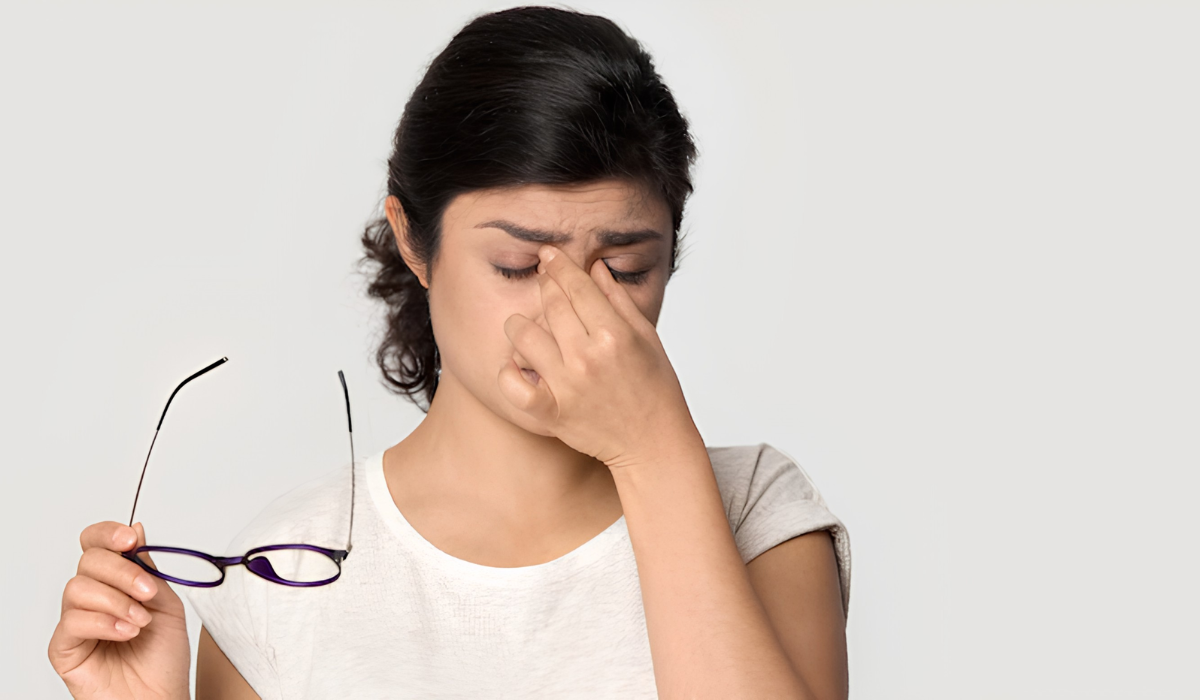
What many people overlook, however, is the gradual effect the season has on the eyes. The changes are rarely sudden or dramatic; instead, they build up quietly over the course of the day.
Just a few minutes under the sun can make the light feel unusually harsh. Dust in the air settles more easily, and the heat often lingers even after stepping back indoors.
As the day goes on, everyday habits add to the strain – fans running constantly, air conditioners drying out the room, and extended screen time keeping the eyes focused for longer than expected. By evening, the signs begin to appear: mild redness, a gritty sensation, or watery eyes without any obvious cause. Many people brush it off as nothing more than “summer fatigue.”
However, summer-related eye strain is more than just temporary discomfort. In children and older adults especially, ignoring these symptoms can lead to recurring irritation, dryness, and even eye infections over time.
Why Summer Can Be Tough on the Eyes
Summer exposes the eyes to several conditions that can cause strain and discomfort.
- Intense sunlight can increase glare and make the eyes more sensitive
- Dust and pollution in the air may trigger allergies, irritation and itching
- Constant exposure to air conditioners and fans can dry out the eyes by reducing natural moisture
- Longer screen time often leads to less blinking, which further contributes to dryness
Over time, these factors can result in symptoms such as redness, itching, burning sensations, and even blurred vision.
How Summer Affects Children’s Eyes
Children tend to experience summer more intensely than adults. They spend more time outdoors, sweat heavily, and often touch their face and eyes without realising it.
Activities such as swimming, sharing towels and exposure to dust further increase the chances of eye irritation and infection.
At the same time, the heat often keeps children indoors during the afternoon, leading to more time spent on cartoons, mobile games and screens. This combination can contribute to:
- Constant rubbing of the eyes
- Less frequent blinking while using screens
- Increasing dryness and irritation over time
- Greater risk of eye infections caused by poor hygiene habits
Because these behaviours are so common in children, the early signs of eye strain or infection often go unnoticed.
How Summer Affects Older Adults’ Eyes
For older adults, the routine may be different, but the impact on the eyes can be quite similar. Their daily activities often involve:
- Watching television for extended periods
- Using mobile phones for calls, messages and videos
- Exposure to sunlight during evening walks
- Spending long hours in air-conditioned spaces
Frequent shifts between screen exposure, indoor cooling and outdoor heat can place continuous strain on the eyes. By the end of the day, many older adults may experience:
- Watery eyes
- Blurred vision
- Increased sensitivity to light
- A heavy, tired or irritated feeling in the eyes
Doctor-Recommended Habits to Protect Your Eyes This Summer
According to Dr. Priyanka Singh, taking care of the eyes during summer does not require complicated measures, but it does require regular attention and consistency.
“Our eyes need the same seasonal care that we give to our skin and overall health. Simple habits such as washing hands before touching the eyes, staying hydrated throughout the day, wearing protective goggles while swimming, using good-quality sunglasses outdoors, and taking regular breaks from screens can help prevent many common summer eye problems in both children and older adults,” she said.
Easy Habits to Keep Your Eyes Healthy This Summer
Simple daily habits can go a long way in protecting your eyes during summer:
- Wash your face and eyes after returning from outdoors
- Avoid touching or rubbing your eyes with unwashed hands
- Use a clean personal towel instead of sharing one
- Prevent direct fan or air-conditioner airflow from hitting your face for long periods
- Drink enough water to stay hydrated throughout the day
- Take short breaks from screens every 20–30 minutes
- Wear sunglasses when going out in harsh sunlight
- Use protective swimming goggles while in pools
When Should You See an Eye Doctor?
Sometimes, the eyes begin showing warning signs early, and these symptoms should not be ignored:
- Persistent itching or irritation
- Redness that continues for a long time
- Excessive watering of the eyes
- Blurred or unclear vision
- Increased sensitivity to light
While these symptoms may appear minor at first, they can signal dryness, allergies, or even an eye infection that requires medical attention.
Summer may often seem like a season that mainly affects the skin, but its impact on eye health can be equally significant. For children and older adults especially, simple daily habits can make a major difference in keeping the eyes healthy, comfortable, and protected.
A little extra care can make a big difference during summer. Simple habits like keeping hands clean, staying hydrated, taking regular screen breaks, and protecting the eyes from heat, dust and harsh sunlight can help prevent discomfort and irritation.
In many cases, it is these small everyday routines that quietly play the biggest role in protecting your vision throughout the season.