
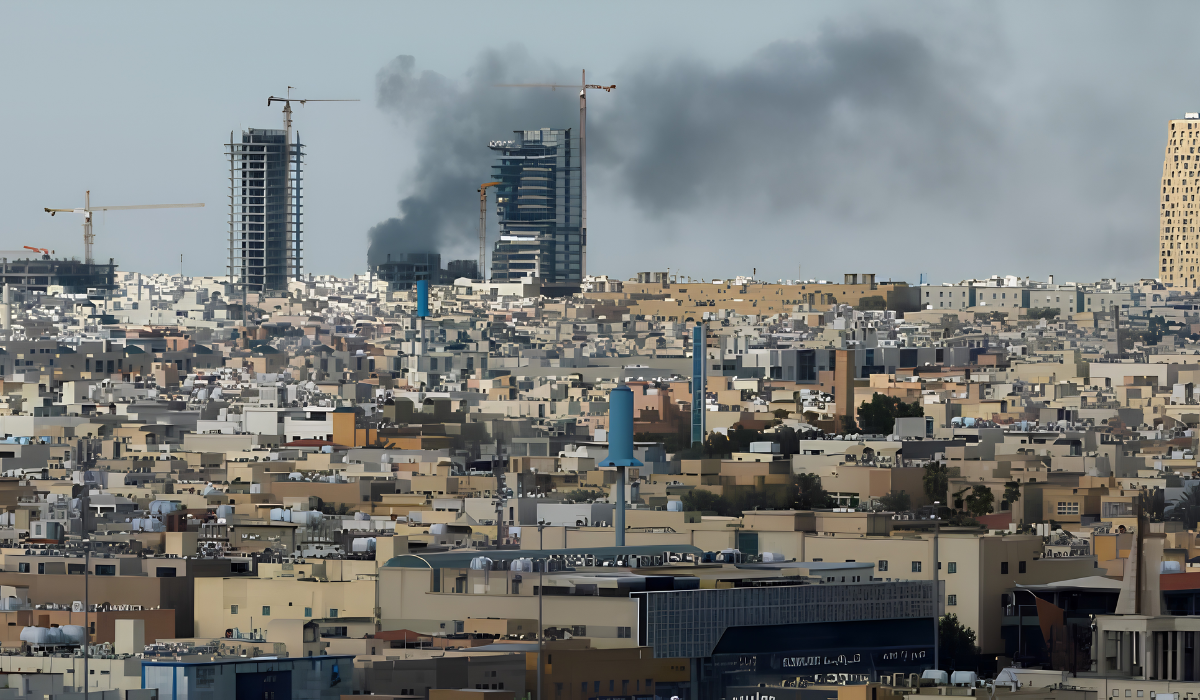
Iranian airstrikes have reportedly caused much greater damage to US military bases across the Middle East than previously disclosed, damaging or destroying at least 228 structures and pieces of equipment since the start of the US-Iran war.
According to a recent report by The Washington Post, the strikes reportedly targeted hangars, barracks, fuel depots, aircraft, and radar, communication, and air defence systems, with the extent of the damage said to be far greater than publicly acknowledged by the US government or previously reported.
Report claims Iran inflicted heavier damage on the US than previously acknowledged.
Officials said the threat of ongoing airstrikes forced the US military to scale down staffing at several Middle East bases considered vulnerable to Iranian attacks, with commanders moving much of the personnel to safer locations soon after the conflict began.
The report added that since the war began on February 28, seven US service members have been killed in attacks on American facilities in the region – six in Kuwait and one in Saudi Arabia – while more than 400 troops had reportedly been injured by late April. The Washington Post noted that it could not independently verify the full extent of the damage.
Two major commercial satellite imagery providers, Vantor and Planet Labs, reportedly complied with requests from the US government — their largest customer – to restrict, delay, or withhold images from the region during the war. The report said these restrictions were imposed less than two weeks after the conflict began.
At the same time, Iranian state-linked news agencies have frequently shared high-resolution satellite images on social media, claiming they show damage to US military sites. The investigation was described as one of the first comprehensive public assessments of the damage inflicted on American facilities in the region.
Experts believe the US failed to fully assess Iran’s strike capabilities
Military experts who reviewed the findings said the strikes suggest the US may have underestimated Iran’s targeting capabilities, failed to adapt effectively to modern drone warfare, and left some bases inadequately protected.
They also noted that part of the damage may have occurred after US troops had already evacuated certain facilities, which could have reduced the operational impact of the losses.
What is going on in the US-Iran war?
Iran said it is reviewing the latest US proposals to end the war, while President Donald Trump warned Tehran of fresh bombing if it rejects a deal that includes reopening the strategically important Strait of Hormuz to international shipping.
Hopes for an end to the two-month conflict boosted global markets on Thursday, despite reports that the US military had earlier fired on an Iranian oil tanker allegedly trying to breach an American blockade of Iranian ports.
The developments followed days of mixed signals from the Trump administration over its strategy to end the war.
“If they don’t agree, the bombing starts,” Donald Trump wrote.
A fragile ceasefire between the US and Iran has mostly held since April 8, although direct talks hosted by Pakistan last month failed to secure an agreement. The conflict began on February 28, when the US and Israel launched strikes on Iran.