
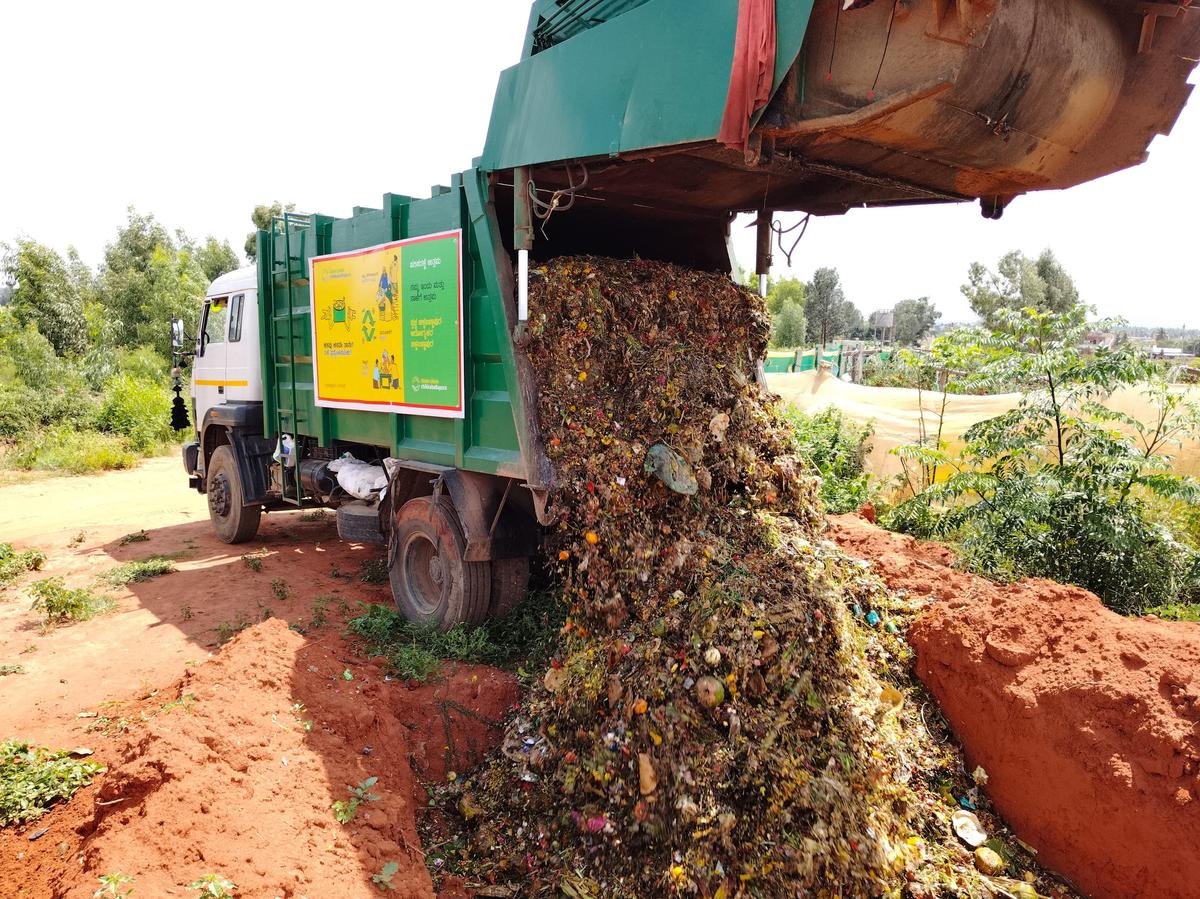
As the monsoon settles in, Chennai is being urged to adopt smarter and more resilient composting practices to prevent waste-related issues across neighbourhoods. With heavy showers expected to continue, officials and environmental groups are stressing the importance of proper wet-waste management – especially at the household and community levels.
Rain Makes Poor Composting Worse:
During the rainy season, improperly handled food waste tends to:
-
- Turn soggy
-
- Produce foul odour
-
- Attract flies and pests
-
- Overflow from bins
-
- Clog stormwater drains when mixed with general waste
This not only creates hygiene concerns but also increases the load on Chennai’s waste collection system.
Environmental experts warn that when composting pits or bins are left uncovered, rainwater interferes with the natural decomposition process, slowing it down and causing wet waste to rot instead of compost properly.
Residents Encouraged to Adopt ‘Rain-Proof Composting’ :
Waste management volunteers and NGOs in Chennai recommend using:
-
- Covered compost bins
-
- Cerated drums
-
- Cocopeat or dry leaves to balance moisture
-
- Two-bin or three-bin systems to prevent mixing
Simple changes – such as elevating bins, using rain guards, and reducing kitchen waste during heavy rainfall – can make composting more efficient even during monsoon months.
Corporation Steps Up Awareness:
The Greater Chennai Corporation (GCC) has intensified awareness drives on:
-
- Source segregation
-
- Home composting techniques
-
- Preventing wet waste from entering drains
-
- Keeping common areas clean during rain spells
Ward-level teams are also distributing leaflets and conducting door-to-door visits in vulnerable zones where monsoon waste overflow is common.
Why Smarter Composting Matters?
Chennai produces thousands of tonnes of waste daily, and more than 60% of it is organic. When composting breaks down due to rain:
-
- Waste piles up
-
- Community bins overflow
-
- Sanitation workers face added pressure
-
- Mosquito breeding increases
-
- Neighbourhoods experience foul smell
Better composting practices during the rainy season can ease this burden and help the city maintain hygiene.
Experts Call for Long-Term Change:
Environmentalists say monsoon should be viewed as a reminder, not a crisis.
“Rain is not the problem – poor composting habits are. If households adopt simple systems, Chennai can drastically reduce its waste challenges,”
say waste management trainers working in South Chennai.
They highlight the need for sustained behavior change, better infrastructure, and more community composting hubs to make the city resilient year-round.
For more details and the fastest updates, follow us on @namma.updates. Stay informed and stay connected.