
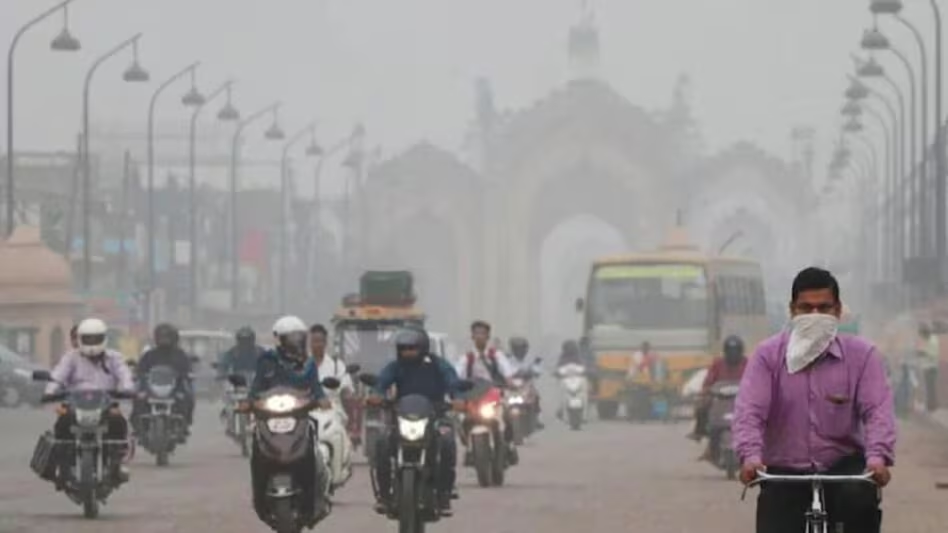
As air pollution in Delhi and the National Capital Region (NCR) continues to worsen, a shocking video showing a Noida high-rise completely swallowed by thick smog has triggered widespread concern and public outrage. The disturbing visuals serve as a stark reminder of the deepening air quality crisis that residents of Delhi-NCR are forced to live with every winter.
The viral clip, shared widely across social media platforms, shows dense grey smog reducing visibility to almost zero, with a multi-storey building barely visible through the haze. For many residents, the video is not just alarming-it reflects their daily reality of breathing toxic air.
Air Quality Deteriorates Across Delhi-NCR:
Over the past few days, air quality levels in Delhi, Noida, Gurugram, Ghaziabad, and Faridabad have plunged into the ‘very poor’ and ‘severe’ categories, according to air monitoring agencies. Several areas reported Air Quality Index (AQI) readings well above safe limits, posing serious health risks, especially to children, the elderly, and those with respiratory conditions.
Doctors and health experts have warned that prolonged exposure to polluted air can lead to breathing problems, eye irritation, headaches, fatigue, and long-term lung damage. Hospitals across the region have reported a rise in patients complaining of cough, breathlessness, and throat infections.
Why Is Pollution Getting Worse?
Environmental experts say that Delhi’s air pollution crisis is caused by a combination of factors, including:
- Vehicular emissions from millions of cars on the roads
- Industrial pollution in and around the NCR
- Construction dust from ongoing infrastructure projects
- Stubble burning in neighbouring states
- Low wind speed and colder temperatures, which trap pollutants close to the ground
During winter, weather conditions prevent pollutants from dispersing, leading to the formation of thick smog that blankets the region for days or even weeks.
Impact on Daily Life:
The worsening air pollution has disrupted daily life across Delhi-NCR. Visibility issues have affected road traffic, with commuters reporting slow-moving vehicles and increased risk of accidents. Morning walkers and outdoor fitness enthusiasts have been forced indoors, while parents remain concerned about children attending schools amid hazardous air conditions.
Residents of high-rise apartments, like the one seen in the viral video, say that even higher floors offer no escape from the pollution. Many report keeping windows shut throughout the day and relying on air purifiers to reduce indoor pollution.
Government Measures and Public Response:
Authorities have implemented temporary emergency measures to curb pollution, including restrictions on construction activities, traffic control steps, and advisories urging people to avoid outdoor activities. However, critics argue that these actions are short-term fixes that fail to address the root causes of the crisis.
Environmental activists are calling for stricter enforcement of emission norms, improved public transport systems, promotion of clean energy, and stronger coordination between states to tackle stubble burning.
Public frustration is growing, with many citizens demanding accountability and sustainable solutions, rather than seasonal emergency responses.
Health Experts Sound the Alarm:
Health professionals have repeatedly warned that air pollution is not just an environmental issue but a major public health emergency. Long-term exposure has been linked to asthma, heart disease, reduced lung capacity, and increased risk of premature death.
Doctors advise residents to:
- Limit outdoor exposure during peak pollution hours
- Wear protective masks when stepping outside
- Use air purifiers indoors, if possible
- Stay hydrated and seek medical help if symptoms worsen
A Grim Reminder of a Recurring Crisis:
The viral video of the smog-engulfed Noida high-rise has become a symbol of the growing pollution emergency in Delhi-NCR. Each year, similar scenes reappear, raising uncomfortable questions about preparedness, governance, and the future of urban living in the region.
As residents continue to struggle with toxic air, the demand for urgent, long-term action grows louder. Until meaningful changes are implemented, millions will remain trapped under a blanket of smog-breathing air that is far from safe.
For more details and the fastest updates, follow us on @namma.updates. Stay informed and stay connected.