
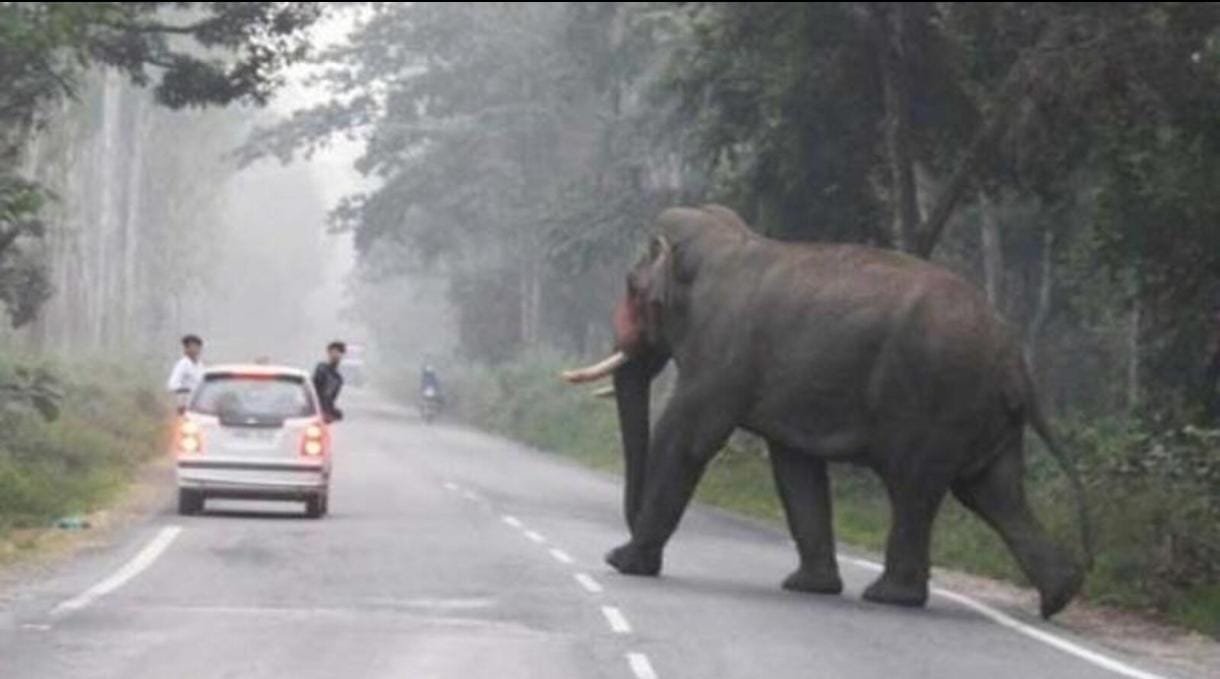
Bengaluru’s rapid transformation from a quiet garden city into a sprawling tech hub is bringing the urban landscape ever closer to neighbouring forests and wildlife habitats – and the consequences are becoming increasingly visible.
As metro construction expands, traffic density rises and pollution levels climb, Bengaluru is witnessing a sharp increase in human-wildlife encounters. Experts and residents alike are raising concerns that uncontrolled urban growth is pushing animals out of their natural homes and into city limits, leading to conflict and injury.
Urban Growth Encroaches on Nature:
Over the past decade, Bengaluru’s city limits have extended into surrounding green belts and forests. Once-wide natural corridors that wildlife relied on for movement and shelter are now interrupted by concrete, highways and construction sites. As a result, animals such as wild boars, leopards, deer and monkeys are forced to wander into residential areas in search of food and space.
Locals report seeing wildlife near busy roads, in parks and even in housing complexes as their habitats shrink. These encounters, while sometimes fascinating, can turn dangerous when animals become disoriented or feel threatened.
More Conflicts and Injuries Reported:
Recent months have seen a growing number of incidents involving wildlife in city outskirts. There have been reports of animals being struck by vehicles, getting trapped in urban infrastructure, or confronting residents. In some cases, people have been injured while trying to shoo animals away from their homes.
Wildlife officials say many of these conflicts stem from loss of habitat and disrupted animal routes, which force animals to adapt by entering human spaces. With limited greenery left within the city boundaries, animals are left with few safe places to retreat.
Traffic, Pollution and Construction Add Pressure:
Adding to the challenge is Bengaluru’s booming infrastructure development. Metro rail projects, widening of roads and new residential clusters are slicing through previously undisturbed land. These changes increase noise, dust and human activity — factors that stress wildlife and push them into unfamiliar areas.
Heavy traffic also poses a constant threat. Animals attempting to cross busy roads frequently fall victim to collisions, leading to injury or death.
Conservationists Call for Action:
Environmentalists and wildlife experts are urging authorities to prioritise green corridors and habitat protection as part of city planning. They argue that preserving natural routes and buffer zones can help reduce harmful encounters between humans and animals.
“Urban growth has to be sustainable,” says a Bengaluru-based wildlife specialist. “We must ensure that development does not come at the expense of the ecological balance that supports both people and wildlife.”
A Shared City, A Shared Future
Bengaluru’s story highlights a broader challenge faced by growing cities worldwide: balancing development with environmental preservation. As the city continues to evolve, finding ways to coexist harmoniously with wildlife will be critical for both human safety and ecological health.
For more details and the fastest updates, follow us on @namma.updates. Stay informed and stay connected.