
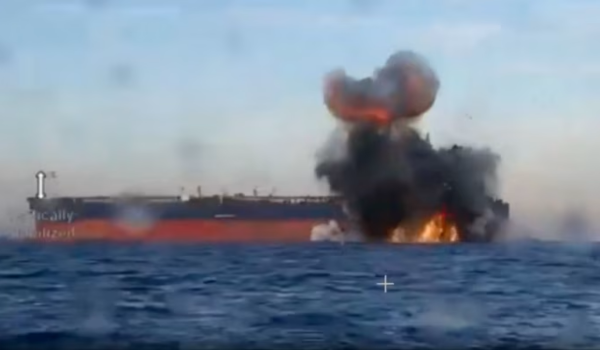
Ukraine has claimed responsibility for a drone attack on a Russian-linked oil tanker operating off the coast of Libya, marking the first such Ukrainian strike in the Mediterranean Sea since Russia launched its full-scale invasion nearly four years ago. Kyiv said the operation targeted a vessel belonging to Russia’s so-called “shadow fleet”, used to bypass Western sanctions.
According to Ukrainian officials, the attack took place around 2,000 kilometres from Ukraine’s borders, highlighting a significant expansion of Kyiv’s military reach.
Tanker Suffers Critical Damage, Ukraine Says
A source within Ukraine’s Security Service (SBU) described the strike as a “new and unprecedented special operation” carried out using aerial drones. The tanker, identified as Qendil, reportedly sustained critical damage, rendering it unusable for its intended purpose.
The Ukrainian source said the ship was empty at the time of the attack and confirmed that there was no environmental threat. However, officials did not disclose details about how or from where the drones were launched, saying only that the operation involved multiple stages.
What Is Russia’s ‘Shadow Fleet’?
The “shadow fleet” refers to a vast network of oil tankers used by Russia and other sanctioned countries to continue exporting crude oil despite international restrictions. These vessels often operate with unclear ownership, frequently change flags, and sometimes disable tracking systems to avoid detection.
Experts estimate the fleet may include more than 1,000 ships, allowing Moscow to generate vital revenue to fund its war effort in Ukraine. Several European leaders and analysts have also raised concerns that some of these vessels may be involved in hybrid warfare activities, including sabotage and intelligence operations.
Part of Escalating Maritime Conflict:
Ukraine has previously targeted Russian-linked tankers in the Black Sea, aiming to disrupt oil revenues that help finance the war. Friday’s strike near Libya signals a widening of this maritime campaign beyond regional waters.
According to vessel-tracking data, the Qendil was last seen at Suez, Egypt, earlier this month and was operating near Libya when it reportedly turned back following the attack.
Putin Vows Response to Attacks on Tankers:
The strike coincided with Russian President Vladimir Putin’s annual end-of-year press conference, during which he warned that Moscow would “definitely respond” to Ukrainian attacks on shadow fleet tankers. While he did not directly reference the Mediterranean incident, Putin said such actions would not disrupt Russia’s oil supplies but would instead create new security risks.
He has previously accused Ukraine of piracy and threatened to restrict Kyiv’s access to the Black Sea in retaliation.
Growing International Focus on Shadow Fleet Risks:
The Ukrainian strike comes amid increased international scrutiny of shadow fleet operations. In recent weeks, US forces boarded a sanctioned tanker off Venezuela, while several European countries have stepped up monitoring and enforcement against such vessels in their waters.
Officials warn that ageing, poorly regulated tankers pose serious security and environmental risks, particularly when operating without proper identification systems.
Ukraine Signals Continued Global Reach:
Ukrainian officials have defended the attack as legitimate under international law, arguing that vessels used to evade sanctions and fund the war are valid military targets. Kyiv has also signalled that it will continue targeting Russian-linked assets wherever they operate.
The incident underscores the evolving nature of the conflict, as Ukraine increasingly seeks to disrupt Russia’s war economy beyond traditional battlefields.
For more details and the fastest updates, follow us on @namma.updates. Stay informed and stay connected.