
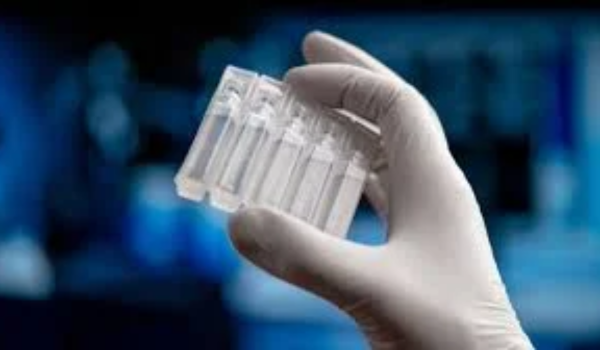
In a major scientific breakthrough, researchers have begun the first-ever human trial aimed at combating the Nipah virus, marking a critical strategic shift in the global fight against one of the world’s most dangerous zoonotic diseases. The move is being seen as a significant step toward developing effective medical countermeasures against a virus known for its high fatality rate and outbreak potential.
The trial represents years of laboratory research finally transitioning into real-world testing, signaling growing confidence in the safety and potential effectiveness of the experimental approach. Scientists involved in the project say this phase is crucial to understanding how the treatment or vaccine performs in humans, paving the way for broader clinical studies if results are encouraging.
Why the Trial Matters?
Nipah virus outbreaks, though sporadic, have caused serious public health concerns in parts of Asia, particularly due to the absence of a licensed vaccine or targeted treatment. The start of a human trial marks a strategic inflection point, shifting efforts from outbreak containment to proactive prevention and preparedness.
Experts believe this development could significantly strengthen global readiness against future Nipah outbreaks and reduce dependence on emergency response measures alone.
Boost to Pandemic Preparedness:
Public health specialists view the trial as part of a wider global push to stay ahead of emerging infectious diseases. With Nipah classified as a priority pathogen by international health agencies, progress in clinical testing is seen as vital not only for regional safety but also for global health security.
If successful, the trial could open the door to scalable solutions that protect vulnerable populations and frontline healthcare workers.
What Lies Ahead?
Researchers caution that the process is still in its early stages, and multiple phases of testing will be required before any treatment or vaccine becomes widely available. However, the launch of the first human trial itself is being hailed as a milestone that could reshape how the world prepares for high-risk viral threats.
As scientists continue to monitor results closely, the development brings renewed hope that science may soon deliver a long-awaited shield against the deadly Nipah virus.
For more details and the fastest updates, follow us on @namma.updates. Stay informed and stay connected.