
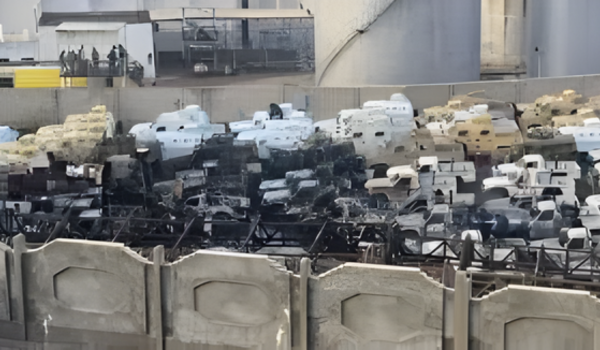
Tensions in Yemen have escalated after Saudi Arabia disclosed details of a recent airstrike in Mukalla, a key port city in southern Yemen, amid the announcement that the United Arab Emirates (UAE) will withdraw its remaining military forces from the country. The move signals a major shift in the Gulf coalition’s involvement in the region and comes at a critical moment in Yemen’s long-running civil conflict.
According to Saudi officials, the airstrike targeted shipments at Mukalla port, which were allegedly linked to weapons and military vehicles that posed a threat to national and regional security. The strike was described as a preventive measure to stop potential arms transfers to armed groups. The UAE, however, has clarified that the vehicles in question were meant for its own operational use and denied supplying arms to Yemeni factions.
Following the strike, the UAE confirmed its plans to pull out its troops, effectively ending its counter-terrorism mission in Yemen. The withdrawal reflects growing differences in strategy between Saudi Arabia and the UAE, who have historically been close partners in the fight against the Houthi movement. Yemen’s Presidential Leadership Council issued a 24-hour directive for UAE forces to leave, while temporarily restricting air, land, and sea access to key areas as a precautionary measure.
The incident highlights a widening strategic gap between the Gulf allies, as both nations reassess their roles in Yemen’s complex conflict. While Saudi Arabia maintains a strong military presence, the UAE has gradually reduced its footprint over the past few years, focusing on regional security and strategic interests elsewhere. Analysts suggest that these differences could complicate ongoing peace efforts and diplomatic negotiations aimed at resolving the war.
The airstrike and UAE withdrawal come at a time when Yemen faces severe humanitarian challenges. Millions of civilians are already struggling with shortages of food, clean water, and medical supplies due to years of conflict. Observers warn that military tensions and reduced coalition coordination may worsen the humanitarian situation, making international aid and relief efforts even more critical.
Regional experts also note that the incident could reshape power dynamics in Yemen, particularly in southern regions where UAE-backed forces have maintained influence. With both Riyadh and Abu Dhabi recalibrating their strategies, questions remain about how these shifts will affect the balance of power between Yemen’s warring factions and the prospects for a political settlement.
As the situation continues to unfold, global observers are calling for restraint and renewed dialogue, emphasizing the importance of protecting civilians and preventing further escalation. Both Saudi Arabia and the UAE are expected to engage in high-level discussions in the coming days to manage tensions and coordinate the transition of military responsibilities in Yemen.
For more details and the fastest updates, follow us on @namma.updates. Stay informed and stay connected.