
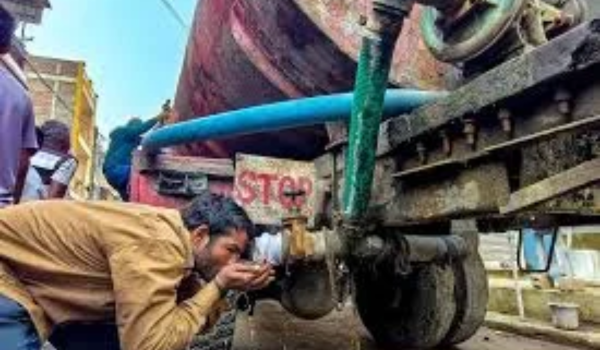
Indore’s water contamination crisis continues to escalate, with health authorities confirming that at least 142 people have been hospitalised so far, while 20 new diarrhoea cases were detected during recent medical surveillance. The growing number of infections has raised serious concerns about public health and the safety of the city’s drinking water supply.
Officials said patients have been admitted to both government and private hospitals after showing symptoms commonly associated with waterborne diseases. These include acute diarrhoea, vomiting, abdominal pain, dehydration, and high fever. Doctors report that while many patients are responding to treatment, several remain under close observation due to the risk of complications.
The latest cases were identified through intensified door-to-door health checks in affected neighbourhoods. Medical teams have been deployed to conduct screenings, distribute preventive medication, and educate residents on safety measures. Special attention is being given to children, elderly residents, and individuals with weakened immunity, who are considered most vulnerable.
Municipal authorities suspect that contamination may have occurred due to damaged pipelines, illegal water connections, or sewage seepage into drinking water lines. In response, water supply has been temporarily halted in several localities to prevent further exposure. Water samples are being collected from multiple points and sent for laboratory testing to determine the exact source of contamination.
To ensure access to safe drinking water, civic bodies have increased the number of water tankers in high-risk areas. However, residents have voiced concerns over irregular supply and long waiting periods, forcing many households to depend on bottled water or boil water before use.
Health officials have issued repeated advisories urging residents to avoid drinking untreated tap water, use boiled or filtered water for cooking, and maintain hygiene to prevent the spread of infection. Emergency medical camps have also been set up to provide immediate care and reduce pressure on hospitals.
The crisis has triggered growing public anxiety and anger, with residents demanding accountability and long-term solutions to prevent such incidents in the future. Civic authorities have assured that repair work on the water network is underway and that stricter monitoring will be implemented once supply is restored.
As Indore continues to battle the worsening water scare, health and municipal departments remain on high alert, focusing on containment, treatment, and restoring confidence in the city’s water distribution system.
For more details and the fastest updates, follow us on @namma.updates. Stay informed and stay connected.