
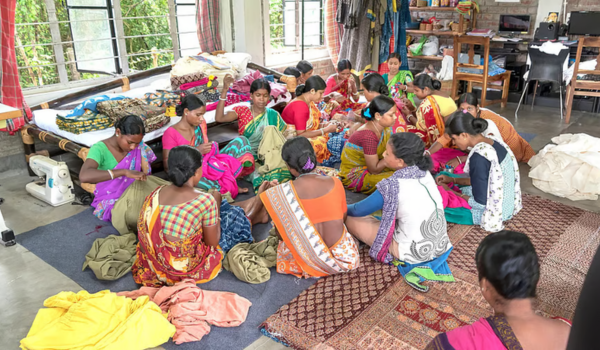
In a major step toward empowering vulnerable women, the Karnataka government has introduced a bill to provide comprehensive social security benefits for destitute women workers. The legislation, currently under discussion in the state assembly, aims to offer financial support, healthcare access, pensions, and emergency assistance to women working in unorganized and low-income sectors who often lack formal employment benefits.
The bill targets women across various sectors, including domestic workers, street vendors, agricultural labourers, small-scale factory employees, and women engaged in informal businesses. Officials said the initiative is designed to ensure a safety net for those who face economic insecurity and have limited access to government welfare programs.
Under the proposed scheme, eligible women could receive monthly pensions, health insurance coverage, maternity benefits, and emergency financial aid. The program also proposes training and skill development workshops, aimed at improving employability and enabling women to secure more stable livelihoods over time.
Government representatives emphasized that the bill reflects a broader commitment to gender equality, economic empowerment, and social inclusion. “This legislation recognizes the invaluable contribution of women in our state’s economy, particularly in sectors that often go unrecognized. By providing social security, we aim to give them dignity, protection, and the tools to improve their lives,” said a senior state official.
Women’s rights organizations and social activists have welcomed the bill, calling it a significant move toward bridging the gap in welfare support for marginalized women. According to activists, millions of women in Karnataka work without formal contracts or access to benefits such as health insurance and pensions, leaving them highly vulnerable during periods of economic hardship, illness, or emergencies.
“This is a transformative step for women workers who have been historically overlooked,” said a local social worker. “The bill not only provides financial relief but also acknowledges the essential role women play in sustaining families and the local economy.”
The government has indicated that the scheme will be implemented in phases, beginning with districts that have the highest number of vulnerable women workers. Officials also stated that mechanisms will be put in place to ensure transparency and proper targeting of beneficiaries to reach those most in need.
In addition to direct financial support, the bill includes provisions for healthcare awareness programs, legal aid, and community-based monitoring, further enhancing its impact. These measures are expected to address not only the economic but also the social vulnerabilities that destitute women workers face daily.
If passed, Karnataka would join a small number of states in India that provide structured social security programs specifically targeting women in the informal sector, setting a precedent for inclusive and gender-sensitive welfare policy. Analysts say the move could encourage other states to adopt similar programs, potentially transforming the landscape of women’s welfare across India.
Experts also highlight that providing social security to women workers can have a multiplier effect on society, improving household welfare, education for children, and overall economic stability. By combining financial aid with skill development, the Karnataka bill aims to create a sustainable framework for empowerment rather than offering short-term relief alone.
As the bill moves through the legislative process, civic organizations and policymakers are urging swift approval and effective implementation to ensure that the most vulnerable women workers can access the benefits without delay. The initiative underscores Karnataka’s commitment to making social protection and gender equity central to state governance.
With this landmark legislation, Karnataka is signaling that the welfare of marginalized women is a priority for the state, combining financial security, skill-building, and healthcare access into a comprehensive framework that could serve as a model for the rest of the country.
For more details and the fastest updates, follow us on @namma.updates. Stay informed and stay connected.