
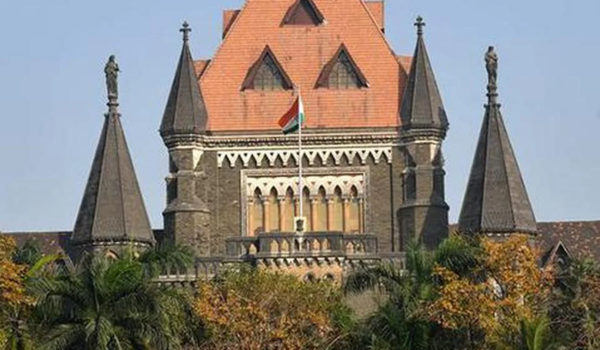
The Bombay High Court has pulled up the Brihanmumbai Municipal Corporation (BMC) Chief for requisitioning court staff to assist with election-related duties, raising serious concerns about administrative overreach and procedural propriety. The court emphasized that judicial personnel have clearly defined roles, and diverting them to non-judicial tasks could disrupt court functioning and affect timely justice delivery.
During the hearing, the bench noted that while elections are a critical civic function, there are strict legal guidelines governing the deployment of court staff. Any requisition without formal approval from the judiciary, the court stressed, amounts to misuse of personnel and could set a dangerous precedent.
Officials from the BMC explained that the request was made to ensure smooth election management in Mumbai. However, the court questioned the legality and necessity of deploying judicial employees for civic duties, suggesting that administrative authorities should explore alternative arrangements without interfering with court operations.
Legal experts observing the case said the High Court’s remarks highlight the delicate balance between administrative efficiency and judicial independence. Assigning court staff to tasks unrelated to their primary responsibilities not only risks delaying court proceedings but also undermines public confidence in the justice system.
The court directed the BMC Chief to review and rectify the requisition process immediately and to ensure that court staff are only assigned work within their authorized roles. It also indicated that future requests must strictly follow judicial approval protocols.
This incident has sparked debate among civic administrators and legal circles about the limits of executive power during election periods. While municipalities often face manpower shortages during elections, courts serve as a neutral and independent arm of governance, and their personnel must remain insulated from administrative or political pressure.
Observers also noted that Mumbai has experienced previous instances where court staff were temporarily diverted for administrative purposes, but the High Court’s intervention underscores the importance of adhering to formal procedures and respecting the separation of powers.
The ruling is expected to lead to stricter compliance in the future, ensuring that election duties are staffed by appropriate administrative personnel rather than judicial employees. Authorities and civic bodies are now reviewing their internal processes to avoid similar conflicts and maintain both efficient election management and uninterrupted court functioning.
The case shines a spotlight on the broader issue of administrative accountability and the independence of judicial staff, reinforcing that even in times of civic urgency, legal frameworks and procedural norms must be respected.
For more details and the fastest updates, follow us on @namma.updates. Stay informed and stay connected.