
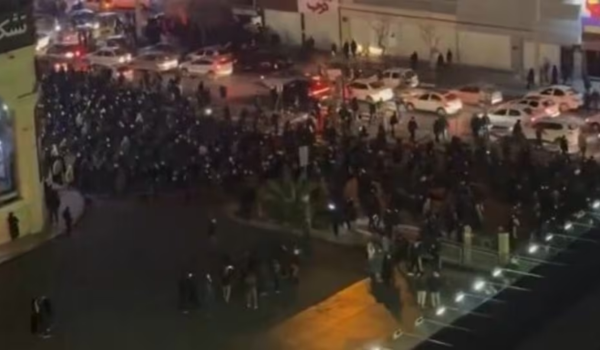
Iran has enforced a sweeping internet shutdown across large parts of the country as nationwide protests continue to intensify, signaling a major escalation in the government’s response to public unrest. Internet monitoring groups reported a sharp drop in online connectivity, with mobile data services, broadband access, and popular social media platforms becoming largely inaccessible in several provinces.
The blackout comes as demonstrations spread beyond their initial hotspots, drawing thousands of people into the streets of major cities and smaller towns alike. Protesters have voiced frustration over worsening economic conditions, unemployment, inflation, and long-standing political grievances. Chants critical of the government and calls for reform have been reported, despite heavy security presence and restrictions on movement in some areas.
Authorities appear to be using the internet shutdown as a tool to limit communication among protesters and prevent the circulation of videos and images that could attract further participation or international scrutiny. Iran has previously resorted to similar measures during periods of unrest, arguing that such steps are necessary to maintain public order and national security.
On the ground, security forces have been deployed in large numbers, with reports of clashes between demonstrators and police in certain locations. While officials have not released comprehensive figures, rights advocates say arrests have increased as authorities attempt to contain the protests. The lack of internet access has made it difficult to independently verify developments, adding to uncertainty about the scale and intensity of the situation.
The unrest has also drawn attention beyond Iran’s borders. Former U.S. President Donald Trump issued a public warning, stating that the United States is closely monitoring events and could consider action if Iranian authorities resort to excessive force against protesters. His comments have further heightened tensions between Washington and Tehran, where relations have long been strained over nuclear issues, sanctions, and regional security concerns.
Iranian officials, meanwhile, have accused foreign powers of interfering in internal affairs and stirring unrest. State media has portrayed the protests as being influenced by outside actors, while emphasizing the government’s commitment to restoring stability. Officials have not provided a clear timeline for when internet services may be fully restored.
The ongoing shutdown has disrupted daily life for millions, affecting businesses, online education, banking services, and communication with family members both inside and outside the country. Many Iranians rely heavily on the internet for work and commerce, making the blackout an added burden during an already difficult economic period.
As protests continue and access to information remains limited, the situation in Iran remains fluid. International observers are watching closely to see whether authorities ease restrictions or whether tensions escalate further in the days ahead.
For more details and the fastest updates, follow us on @namma.updates. Stay informed and stay connected.