
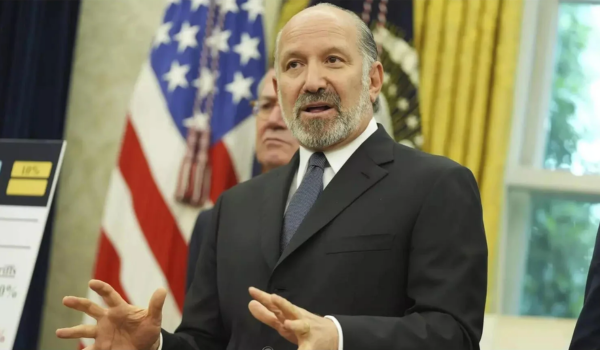
Trade negotiations between India and the United States failed to move forward as both sides remained hesitant about finalising an agreement, according to US Commerce Secretary Howard Lutnick. His remarks offer insight into why expectations of a breakthrough in bilateral trade talks did not materialise despite ongoing engagement between the two countries.
Speaking about the stalled negotiations, Lutnick suggested that neither side felt fully comfortable proceeding with the deal at the time. He indicated that concerns on both ends ranging from economic priorities to political considerations created an environment where moving ahead with a formal agreement proved difficult. As a result, the proposed trade deal remained unresolved.
The comments also addressed speculation around high-level political engagement, with Lutnick noting that a direct conversation between Indian Prime Minister Narendra Modi and former US President Donald Trump did not take place during the period when the deal was being discussed. According to the Commerce Secretary, the absence of such direct communication reflected the broader hesitation surrounding the negotiations rather than a breakdown in diplomatic relations.
India and the United States have long described each other as strategic partners, with trade forming a key pillar of their relationship. However, negotiations have often faced challenges due to differences over tariffs, market access, regulatory standards, and protection of domestic industries. These unresolved issues have historically slowed progress on comprehensive trade agreements between the two economies.
Despite the stalled deal, officials on both sides have continued to emphasise the importance of strengthening economic ties. Trade between India and the US has expanded steadily over the years, covering sectors such as technology, pharmaceuticals, energy, defence manufacturing, and services. Policymakers have repeatedly highlighted the potential for deeper cooperation, even as formal trade negotiations remain complex.
Lutnick’s remarks suggest that the hesitation was driven by a desire to avoid rushing into an agreement without sufficient consensus. He implied that both governments preferred caution over compromise on sensitive issues that could have domestic political or economic consequences.
While no immediate timeline has been indicated for reviving the trade deal, analysts believe discussions could resume if conditions become more favourable. Future progress may depend on shifts in political leadership, economic priorities, or renewed high-level engagement aimed at bridging outstanding differences.
For now, the stalled agreement underscores the challenges of negotiating large-scale trade deals between major economies, even when broader diplomatic relations remain strong. The comments from the US Commerce Secretary have brought renewed attention to the complexities underlying India-US trade talks and the reasons behind their lack of progress.
For more details and the fastest updates, follow us on @namma.updates. Stay informed and stay connected.