
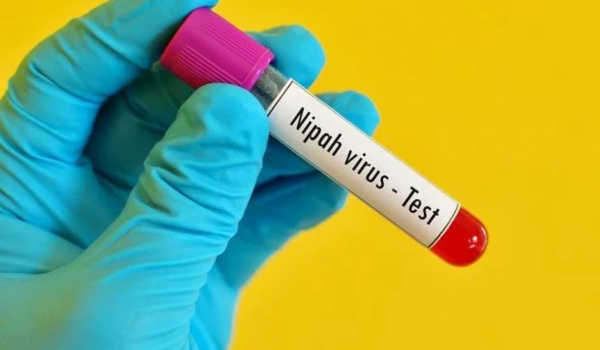
Two suspected cases of Nipah virus disease identified in West Bengal in January 2026 have once again drawn public attention to the infection. The cases were confirmed at the Virus Research and Diagnostic Laboratory of the Indian Council of Medical Research (ICMR) at AIIMS Kalyani, prompting the deployment of a National Joint Outbreak Response Team to assist the state government.
The Centre has since activated surveillance, contact-tracing, and response mechanisms, with officials emphasizing that the situation is under close watch. While Nipah virus infections are rare, authorities treat every case with utmost seriousness. Below, we address some key questions about the Nipah virus.
Nipah virus outbreaks: A brief history
Nipah virus was first identified in 1998–99 during an outbreak in Malaysia, where the infection primarily affected pig farmers and resulted in over 100 deaths. The severity of that outbreak highlighted the virus’s high fatality rate and rapid progression.
In India, Nipah infections have been rare but severe. West Bengal reported outbreaks in 2001 and again in 2007. Years later, Kerala emerged as a major hotspot, particularly during the 2018 outbreak, which led to multiple fatalities and prompted strict containment measures. Since then, Kerala has reported smaller clusters and isolated cases, most of which were detected early and successfully contained. While reported figures vary, the pattern remains consistent—Nipah is uncommon, but its consequences can be serious.
What is Nipah virus?
Nipah virus is a zoonotic disease, meaning it can spread from animals to humans. Fruit bats are known to be the natural hosts of the virus and typically do not show symptoms. Transmission to humans can occur through contaminated food, contact with infected animals, or close contact with an infected person.
There is currently no specific antiviral treatment or approved vaccine for Nipah virus infection. Medical care is largely supportive, focusing on relieving symptoms and helping the body cope with the illness. This lack of targeted treatment makes prevention, early detection, and rapid response especially critical.
Nipah virus cases worldwide
Outside India, Nipah outbreaks have been reported primarily in Bangladesh, where cases have occurred almost annually since the early 2000s, often linked to contaminated food sources. Sporadic cases have also been recorded in parts of Southeast Asia. While the global number of cases remains low, the potential risk posed by the virus remains significant.