
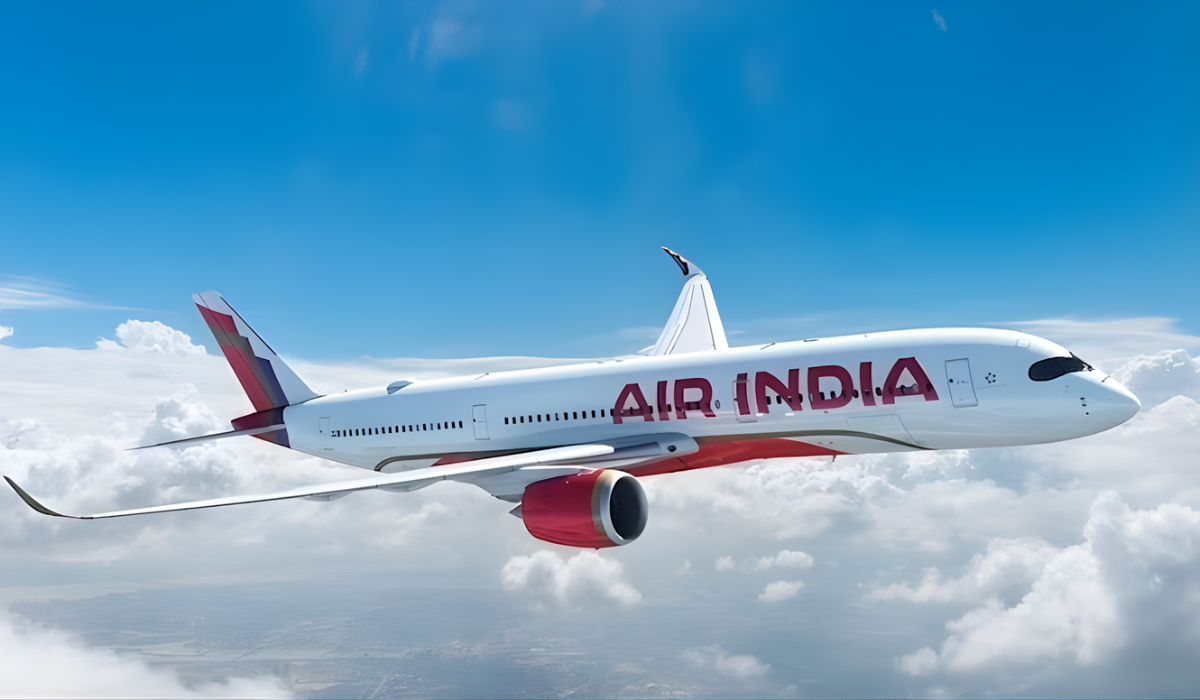
Air India fare hike: The rise in fuel surcharges comes amid the West Asia conflict, which has triggered an energy crunch and driven up oil prices.
Air India has raised fuel surcharges on both domestic and international routes as global jet fuel prices continue to surge, adding to the cost pressures already faced by airlines.
The hike comes amid the West Asia conflict, which has triggered an energy crisis and pushed oil prices higher. The increase in ticket fares also coincides with the resignation of CEO and Managing Director Campbell Wilson.
The move highlights how rising fuel costs are beginning to directly affect ticket pricing, even as airlines attempt to absorb a portion of the increase.
Domestic fares see structural change
Air India has overhauled its domestic fuel surcharge by introducing a distance-based system, replacing the earlier flat fee. This means the additional amount passengers pay will now vary depending on the length of their journey.
- Flights up to 500 km: ₹299 surcharge
- 501 km to 1,000 km: ₹399 surcharge
- 1,001 km to 1,500 km: ₹549 surcharge
- 1,501 km to 2,000 km: ₹749 surcharge
- Above 2,000 km: ₹899 surcharge (highest slab)
The revised charges will come into effect from 9:01 am IST on April 8.
What “per sector” means for passengers
The fuel surcharge is applied on a “per passenger, per sector” basis, which affects the final ticket cost.
A sector refers to a single leg of a journey. For instance, a direct flight from Delhi to Mumbai counts as one sector.
However, a connecting trip – such as Delhi to Bengaluru via Mumbai – counts as two sectors. In such cases, the surcharge is applied separately to each leg of the journey.
As a result, passengers on connecting flights may pay a higher total surcharge than those on direct routes, even if the overall distance is similar.
This revised structure allows airlines to align pricing more closely with distance and fuel consumption, but it also means fares can vary more depending on the route and itinerary.
International routes see sharper hike
Air India has raised fuel surcharges on international routes, with long-haul flights seeing a greater impact. The revised charges vary by region and reflect the surge in global jet fuel prices.
- Nearby regions such as SAARC (excluding Bangladesh): USD 24 (approx. ₹2,232) per passenger, per sector
- West Asia and the Middle East: USD 50 (approx. ₹4,650)
- China and Southeast Asia (excluding Singapore): USD 100 (approx. ₹9,300)
- Singapore: USD 60 (approx. ₹5,580)
- Africa: USD 130 (approx. ₹12,090)
For routes to Europe, including the United Kingdom, the surcharge has been set at USD 205 (around ₹19,065).
The highest surcharge applies to long-haul destinations such as North America and Australia, where passengers will pay USD 280 (approximately ₹26,040) per sector.
These revised charges will take effect from April 8 for most routes, while changes for Europe, North America, and Australia will come into force from April 10.
All USD values have been converted into Indian rupees using an exchange rate of 1 USD = ₹93 as of 1:30 PM on April 7.
Fuel prices nearly double within weeks
According to the data cited, global jet fuel prices surged to USD 195.19 per barrel by late March, up from USD 99.40 at the end of February – an increase of nearly 100%.
At the same time, refining margins, or crack spreads, also rose sharply, climbing from USD 27.83 to USD 81.44 per barrel within a matter of weeks.
This combination has created one of the most challenging fuel cost environments for airlines in recent years.
Despite the surcharge increase, Air India said the revised charges still do not fully offset the rise in fuel expenses, particularly on international routes.
This indicates that airlines are continuing to absorb part of the cost, even as they pass some of it on to passengers.
The move also reflects wider pressure across the aviation sector, where fuel remains one of the biggest cost components and sharp price increases often result in higher fares or tighter margins.
With global tensions, including the ongoing West Asia conflict, continuing to drive up oil prices, airlines are expected to remain under cost pressure in the near term.
For passengers, this could translate into higher ticket prices – especially on long-haul international routes, where fuel accounts for a larger share of overall costs.
Air India said it will review fuel surcharges periodically, suggesting that fares may change further depending on how fuel prices evolve.