
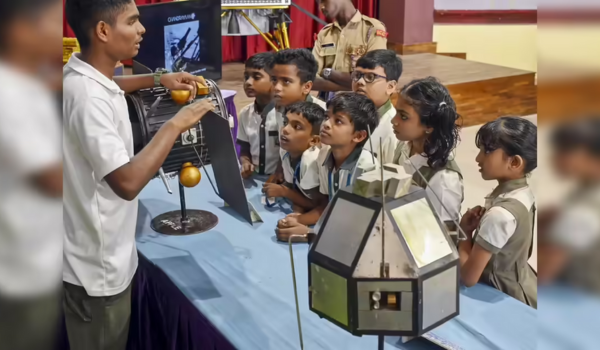
Arunachal Pradesh is quietly setting an example for the rest of the country by showing how early education can be most effective when it is closely linked with learning continuity in later years. The state’s evolving education approach highlights a simple but powerful idea: children learn better when their early classroom experiences connect smoothly with what comes next in school.
In many parts of the country, early childhood education and primary schooling often function like separate systems. This gap can make the transition difficult for young learners, especially those from remote or disadvantaged backgrounds. Arunachal Pradesh is working to bridge this divide by focusing on a more integrated learning journey, where foundational skills developed in the early years are strengthened and built upon as children move forward in their education.
Teachers and education planners in the state are placing greater emphasis on basic literacy, numeracy, and social skills in the early stages. Instead of treating these years as just preparation, the goal is to make them a strong base for future learning. When children enter primary school with confidence in reading, counting, and communication, they are more likely to keep up with the curriculum and stay engaged in class.
One of the key strengths of this approach is its focus on continuity. Lessons, teaching methods, and learning goals are being aligned more closely across different levels of schooling. This helps reduce learning gaps and ensures that students do not feel lost or overwhelmed when they move from one stage to another. For children in rural and remote areas, this kind of consistency can make a big difference in keeping them in school and motivated to learn.
The model also recognizes the important role of teachers and local communities. By training educators to understand child development and adapt their teaching styles, schools can create classrooms that are more supportive and inclusive. Parents, too, are being encouraged to take part in their children’s early learning, making education a shared responsibility rather than something limited to school hours.
Another important outcome of this approach is better learning outcomes over time. When students build strong foundations early, they are more likely to perform well in higher classes, reduce dropout rates, and develop a genuine interest in learning. This not only benefits individual students but also strengthens the overall education system.
Arunachal Pradesh’s experience shows that education reform does not always require dramatic changes or expensive solutions. Sometimes, the most effective improvement comes from ensuring that what children learn in their early years connects meaningfully with what they are expected to learn later. A smooth, well-planned learning journey can help students grow with confidence, curiosity, and resilience.
As education systems across the country look for ways to improve quality and access, Arunachal’s model offers a clear lesson: early learning works best when it is not treated as a separate stage, but as the first step in a continuous and well-supported educational path. By focusing on continuity, the state is helping build a stronger foundation for both students and the future of education itself.
For more details and the fastest updates, follow us on @namma.updates. Stay informed and stay connected.