
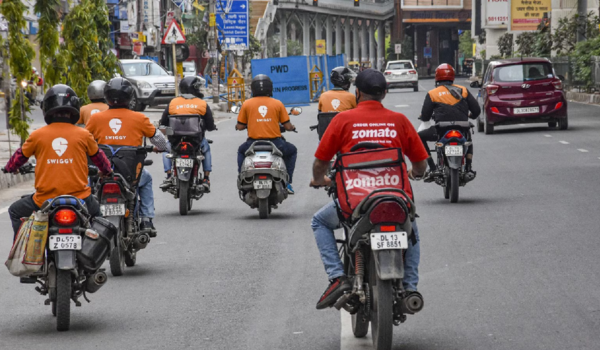
In a significant move aimed at improving the welfare of India’s rapidly growing gig workforce, the Centre has proposed a new framework that would allow gig and platform workers to access social security benefits if they complete at least 90 days of work in a year. The proposal is being seen as a major step towards providing basic protections to millions who earn their livelihoods through app-based and short-term employment.
Gig workers including delivery partners, ride-hailing drivers, freelancers, and task-based workers have long operated outside the traditional labour protection system. The new proposal seeks to bridge this gap by setting a clear eligibility benchmark that could bring these workers under the social security umbrella.
What the Proposal Aims to Do?
Under the proposed plan, gig and platform workers who meet the 90-day annual work requirement would become eligible for benefits such as health insurance, accident cover, life insurance, and old-age security schemes. The idea is to ensure that even workers without fixed employers or permanent contracts can access a minimum level of social protection.
Government officials say the proposal recognises the changing nature of employment in India, where flexible and short-term jobs are increasingly replacing conventional full-time roles. By linking benefits to days worked rather than job titles or employer type, the policy aims to create a more inclusive safety net.
Why the 90-Day Threshold Matters?
The proposed 90-day work threshold has been designed to balance flexibility with accountability. Policymakers believe it is low enough to include a wide range of gig workers while ensuring that benefits reach those who are actively engaged in the workforce.
For many gig workers who juggle multiple platforms or work intermittently, the threshold could be achieved by combining work across different apps or employers. This approach acknowledges the fragmented nature of gig employment and avoids penalising workers who do not have continuous assignments.
A Growing Workforce Seeking Protection:
India’s gig economy has expanded rapidly over the past decade, driven by the rise of digital platforms, food delivery services, e-commerce logistics, ride-hailing apps, and freelance marketplaces. Millions of workers depend on these platforms for income, yet most lack access to paid leave, health insurance, or retirement benefits.
Worker groups have repeatedly raised concerns about income insecurity, long working hours, and lack of protection during accidents or health emergencies. The Centre’s proposal is being viewed as a response to these concerns and an attempt to formalise a sector that plays a crucial role in the modern economy.
Funding and Implementation Challenges:
One of the key aspects under discussion is how the social security benefits will be funded. The proposal is expected to involve shared contributions from the government, platform companies, and possibly workers themselves. Authorities are also exploring the creation of a dedicated social security fund for gig and platform workers.
Implementing the policy will require reliable systems to track workdays across multiple platforms and ensure accurate registration of eligible workers. Digital records, platform data sharing, and a centralised database are likely to play a critical role in making the system transparent and efficient.
Industry and Worker Reactions:
Early reactions to the proposal have been mixed. Many gig workers have welcomed the move, calling it long overdue and essential for financial security. For workers who face daily risks on the road or depend on irregular income, access to insurance and healthcare could offer much-needed stability.
At the same time, some platform companies have expressed concerns about compliance costs and operational complexities. Labour experts have also cautioned that clear definitions and strong enforcement will be crucial to prevent exclusions or misuse.
What Comes Next?
The proposal is expected to undergo consultations with stakeholders, including state governments, industry representatives, and worker unions. Feedback from these discussions may shape the final structure of the policy, including benefit coverage, contribution mechanisms, and enforcement rules.
If implemented effectively, the plan could mark a turning point in how gig work is regulated in India, setting a precedent for other emerging forms of employment.
A Step Towards Inclusive Labour Reform:
The Centre’s proposal to link social security benefits to 90 days of annual work reflects a broader push to modernise labour laws and adapt them to evolving work patterns. While challenges remain, the move signals recognition of gig workers as a vital part of the economy deserving of basic protections.
As discussions continue, millions of gig workers across the country will be watching closely, hopeful that the proposal translates into real and lasting security for their futures.
For more details and the fastest updates, follow us on @namma.updates. Stay informed and stay connected.