
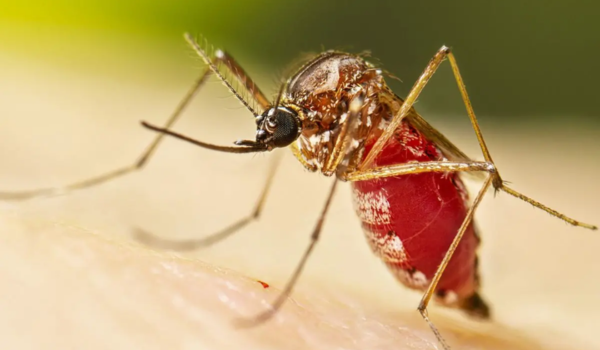
Chennai, Jan 22 (IANS): In response to a rising number of chikungunya cases reported from several parts of Tamil Nadu, the Directorate of Public Health and Preventive Medicine (DPH) has sounded a statewide alert, instructing district authorities and urban health agencies to intensify surveillance, strengthen diagnosis, and enhance mosquito-control measures to prevent further spread of the infection.
Health officials stressed that heightened vigilance is crucial as seasonal conditions continue to favour mosquito breeding.
In an advisory issued to all District Health Officers and City Health Officers, the department noted an uptick in chikungunya cases in Chennai, Villupuram, Tenkasi, Theni, Cuddalore, Chengalpattu, Kancheepuram and Ariyalur districts. Patients have largely reported symptoms such as high fever, intense joint pain, muscle aches, and pronounced fatigue or drowsiness, prompting authorities to emphasise early detection and timely clinical care.
To reinforce surveillance and containment measures, field staff have been directed to collect adequate blood samples in fever-affected areas and ensure laboratory confirmation through IgM ELISA testing.
Health authorities also reiterated that prompt reporting by all government and private hospitals, along with diagnostic laboratories, is mandatory to facilitate early interruption of transmission. Any delay in reporting, officials warned, could lead to rapid spread of the virus within communities.
The department has further directed hospitals to ensure that all designated dengue and chikungunya wards remain mosquito-free, with adequate bed capacity and sufficient mosquito nets for patients.
Sentinel surveillance hospitals and medical colleges have been instructed to maintain adequate stocks of government-approved diagnostic kits. Alongside this, training programmes aligned with updated national clinical management guidelines for fever, dengue and chikungunya will be conducted for doctors, nurses and frontline healthcare workers. Rapid Response Teams have also been kept on standby, equipped with necessary logistical and mobility support to address any sudden surge in cases.
District Collectors have been asked to hold inter-departmental coordination meetings to strengthen collective action, including joint information, education and communication (IEC) campaigns and intensified vector-control measures.
At the field level, district entomologists and health inspectors have been told to step up source-reduction activities by removing stagnant water from artificial containers and carrying out weekly mass-cleaning drives in vulnerable areas. Daily larval surveillance, regular indoor fogging, and the application of larvicides in large water-storage containers have been made mandatory.
Emphasising the importance of public participation, health officials urged residents to clean water-storage vessels weekly, use mosquito nets, wear protective clothing, and maintain proper solid-waste disposal. The department noted that compliance would be reviewed on a daily basis, with regular action-taken reports to be submitted to headquarters.