
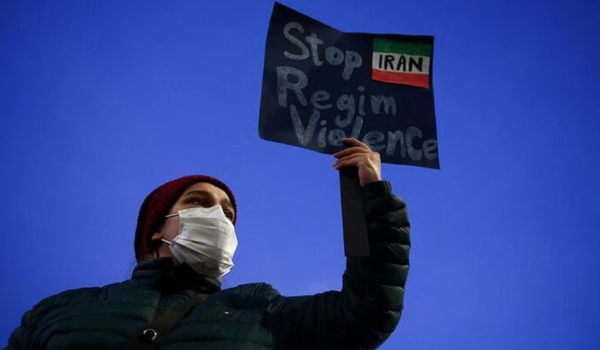
Iran’s judiciary has announced plans to fast-track trials and carry out executions for individuals detained during recent nationwide protests, signaling a tough stance despite a public warning from former U.S. President Donald Trump. The move has intensified global concern over Iran’s handling of dissent and the future of thousands currently in custody.
Senior judicial officials have emphasized the need for swift legal action, arguing that quick verdicts and punishments are necessary to deter further unrest. In statements aired on state television, the judiciary chief underscored that delays in prosecution could weaken the government’s authority, suggesting that courts will move rapidly to issue rulings in protest-related cases.
Trump had cautioned Tehran against executing demonstrators, warning that such actions would provoke a strong response from Washington. His remarks added to mounting international pressure, with foreign governments and advocacy groups urging Iran to show restraint. However, Iran’s leadership has dismissed outside warnings, framing the protests as a threat to national security rather than a civil movement.
The protests, which erupted over economic hardship and political grievances, spread across multiple cities and drew large crowds. Security forces responded with mass arrests, detaining thousands of people, including young protesters. Families of those held fear that accelerated trials may limit access to legal counsel and reduce transparency in court proceedings.
Legal experts and observers warn that fast-tracked cases often rely on broad charges that can carry severe penalties, including capital punishment. The possibility of executions has heightened anxiety within the country and fueled criticism abroad, with concerns that rushed proceedings could further deepen public anger and instability.
Iranian officials maintain that the judiciary is acting within the law and that harsh penalties are reserved for those accused of violence and serious offenses. Authorities argue that maintaining order is essential at a time when the nation faces economic pressure, sanctions, and growing internal dissent.
As tensions between Iran and the United States remain high, the judiciary’s stance highlights a widening divide between domestic priorities and international expectations. For many Iranians, the coming days are filled with uncertainty as courts prepare to move quickly on cases that could carry life-altering consequences. The unfolding situation continues to draw close attention, with the potential to shape Iran’s political and social landscape in the weeks ahead.
For more details and the fastest updates, follow us on @namma.updates. Stay informed and stay connected.