
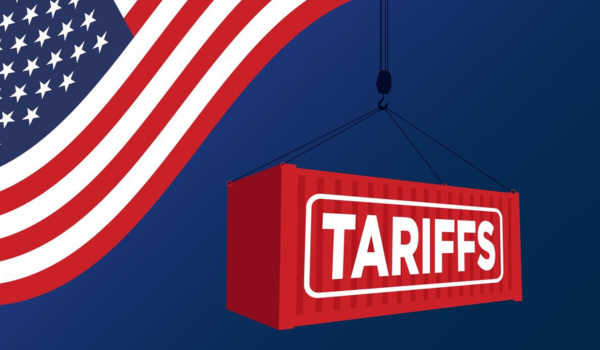
India is navigating a complex phase in its economic and diplomatic relationship with the United States, as concerns grow over potential sanctions and what many describe as uneven trade negotiations. The evolving situation has placed India’s strategic autonomy and economic priorities under close scrutiny, both domestically and globally.
Tensions have surfaced around trade imbalances, market access, and regulatory standards, with Washington pushing for broader access to Indian markets while seeking adjustments in tariff structures and trade policies. At the same time, the possibility of sanctions linked to geopolitical alignments and defense partnerships has added another layer of uncertainty to the bilateral relationship.
For India, the stakes are high. The United States remains one of its largest trading partners, with strong ties spanning technology, pharmaceuticals, defense, energy, and services. Any disruption through sanctions or restrictive trade measures could impact exports, supply chains, and investment flows. Indian policymakers are therefore working to protect national interests while keeping diplomatic channels open.
Economic experts suggest that the current phase represents more than just a trade disagreement. It reflects a broader recalibration of global power dynamics, where countries are reassessing strategic partnerships in light of shifting geopolitical realities. India has consistently emphasized its commitment to strategic independence, maintaining balanced relations with multiple global powers while safeguarding its economic growth trajectory.
The debate around “one-sided trade negotiations” centers on demands perceived as disproportionately benefiting one side. Industry bodies in India have voiced concerns that certain proposals could affect domestic manufacturing, small businesses, and critical sectors such as agriculture and digital services. At the same time, there is recognition that trade reforms and global integration are essential for long-term competitiveness.
Government officials have reiterated that India will continue to engage in dialogue, focusing on mutually beneficial solutions rather than confrontational measures. Efforts are being made to strengthen domestic manufacturing under self-reliance initiatives, diversify export markets, and reduce vulnerability to external pressures.
Analysts believe that while short-term uncertainty may impact investor sentiment, India’s large domestic market, expanding digital economy, and growing industrial base provide resilience. Strategic sectors such as renewable energy, semiconductors, and advanced manufacturing are likely to remain priorities regardless of external challenges.
As negotiations continue, the coming months will be crucial in determining the direction of India-U.S. economic ties. The outcome could shape not only bilateral trade relations but also India’s broader positioning in the global economic order. For now, India appears focused on balancing diplomacy with firmness, ensuring that its growth ambitions and sovereign interests remain intact amid mounting international pressures.
For more details and the fastest updates, follow us on @namma.updates. Stay informed and stay connected.