
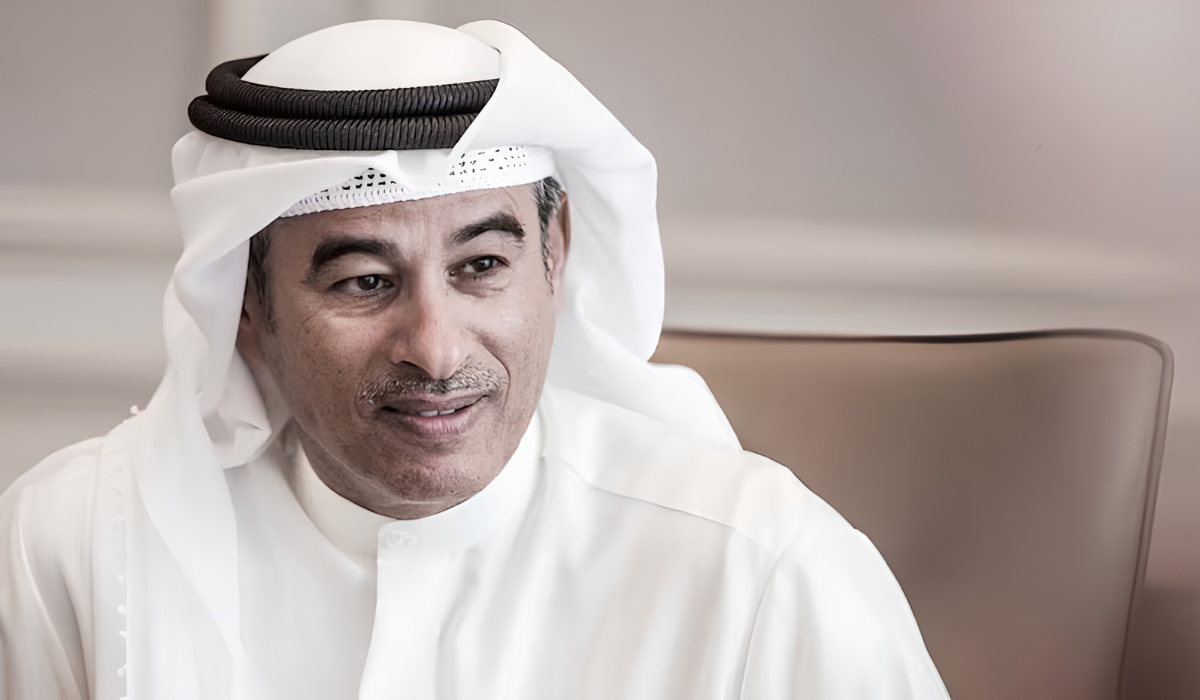
Mohamed Alabbar, founder of Emaar Properties and the developer behind the Burj Khalifa, has sparked a broader discussion on workplace culture after praising Indian professionals for having what he called the “strongest work ethic in the world.”
Speaking at the Make It in the Emirates summit, Alabbar said he prefers hiring Indian employees because of their consistency, discipline, and willingness to stay available even during unconventional hours. He highlighted their readiness to respond to work calls as late as 1 am as a key quality.
“I like hiring Indians because they answer the phone even at one o’clock in the morning,” Mohamed Alabbar said, adding that long-term success is driven more by hard work than intelligence alone.
His remarks, though intended as praise, sparked mixed reactions online, with many questioning whether such expectations promote an unhealthy work culture.
Praise for dedication, but at what cost?
Mohamed Alabbar linked business success to consistent effort, careful risk assessment, and disciplined execution. He said companies that survive crises such as the 2008 financial downturn and the COVID-19 pandemic are those that build resilient teams willing to go beyond conventional limits.
He also pointed to internal policies at Emaar Properties during difficult periods, including job security assurances and stable salaries, as examples of how organizations should support employees.
However, his remarks about round-the-clock availability have shifted focus to a growing concern among Indian professionals – the blurring of work-life boundaries.
Social media backlash and self-reflection
Soon after his remarks went viral, users on platforms such as Reddit and X began debating the implications of such expectations. Many argued that being available at all hours is not a sign of dedication but rather an indication of workplace pressure and job insecurity.
Some users said Indian professionals are often “conditioned” to overperform, frequently at the expense of personal time and mental well-being. Others used stronger criticism, claiming that a section of the workforce accepts excessive demands without resistance due to “low self-esteem.”
A common concern raised in these discussions was that global employers may increasingly expect Indian workers to stay constantly available, further reinforcing a culture of overwork.
India’s workforce has long earned global recognition for its adaptability and productivity, particularly in industries such as IT, consulting, and services. The ability to work across multiple time zones has often been viewed as a major competitive advantage.
However, experts warn that this strength can also turn into a weakness if it results in unrealistic expectations.
Human resource professionals say that while flexibility is appreciated, constant availability can eventually lead to burnout, declining productivity, and higher attrition. They argue that the boundary between dedication and exploitation is often very thin.
The debate comes at a time when discussions around work-life balance, mental health, and labor rights are gaining momentum globally. Several countries have already introduced “right to disconnect” policies that restrict work-related communication outside office hours.
In India, although no formal regulation exists across sectors, employee expectations are gradually changing, especially among younger professionals.
Alabbar’s remarks have effectively highlighted a broader question – should Indian professionals continue embracing the image of being constantly available, or start redefining boundaries in a global workplace that increasingly values both productivity and well-being?