
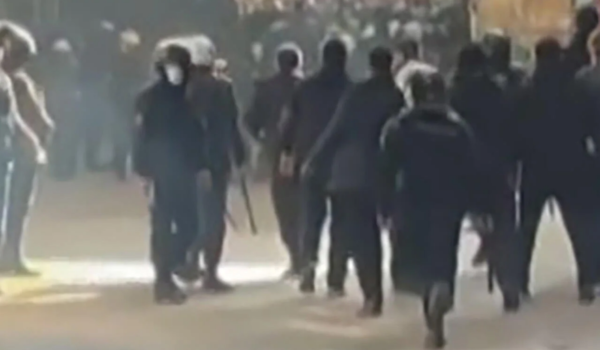
Iran is facing a renewed wave of unrest after deadly clashes broke out between security forces and protesters at Tehran’s Grand Bazaar, one of the country’s most important economic and cultural centers. The confrontation marks a serious escalation in nationwide protests that have been building for days amid mounting economic pressure and public frustration. According to reports from activists and local sources, at least 36 people have been killed so far, with the toll expected to rise as tensions continue.
The violence erupted when large groups of protesters gathered inside and around the Grand Bazaar, a sprawling marketplace that serves as the backbone of Iran’s traditional economy. Many shopkeepers reportedly closed their businesses in protest, while demonstrators chanted slogans expressing anger over inflation, unemployment, and the rapidly weakening Iranian currency. The situation deteriorated when security forces moved in to disperse the crowds, triggering clashes that led to chaos across the market area.
Eyewitnesses described scenes of panic as tear gas filled narrow alleys and security personnel attempted to regain control. Several parts of the bazaar were shut down as clashes spilled into nearby streets, disrupting daily life in the capital. The Grand Bazaar’s involvement has heightened concern, as it has historically played a key role in political movements and protests in Iran.
The latest demonstrations were initially sparked by severe economic hardship, with Iranians struggling to cope with rising prices of food, fuel, and essential goods. The national currency has continued to lose value, eroding purchasing power and placing additional strain on households already facing financial uncertainty. What began as economic protests has since evolved into broader expressions of dissatisfaction with governance, corruption, and long-standing political grievances.
Protests have now spread far beyond Tehran, with demonstrations reported in dozens of cities and provinces across the country. Students, workers, traders, and ordinary citizens have joined the movement, signaling widespread frustration across social and economic groups. In several areas, protesters have reportedly blocked roads, staged sit-ins, and called for greater accountability from authorities.
Security forces have responded with a strong crackdown, deploying police units and other forces to disperse crowds and prevent further escalation. Thousands of people are believed to have been detained during the unrest, and reports suggest that arrests have continued even as protests persist. Human rights advocates claim that some detainees have been held without clear charges, raising concerns about civil liberties.
Iranian authorities have defended their actions, stating that they are responding to violence and unrest that threaten public order. Officials have accused unidentified groups and foreign actors of exploiting economic grievances to incite instability. At the same time, government representatives have promised to investigate deaths linked to the protests, though skepticism remains among protesters and critics.
The deadly clashes at Tehran’s Grand Bazaar have become a symbol of the growing crisis, highlighting the depth of public anger and the challenges facing Iran’s leadership. Analysts say the unrest reflects a combination of immediate economic pain and long-standing political dissatisfaction, making it difficult for authorities to restore calm through security measures alone.
As night falls in Tehran and other major cities, uncertainty continues to loom over the country. While security forces maintain a heavy presence, demonstrators show little sign of backing down. Many Iranians say their protests are driven by desperation and a belief that their voices have gone unheard for too long.
With no clear resolution in sight, Iran remains on edge. The events at the Grand Bazaar underscore the fragile state of the nation’s economy and the growing divide between authorities and sections of the public, raising questions about how the crisis will unfold in the days ahead.
For more details and the fastest updates, follow us on @namma.updates. Stay informed and stay connected.