
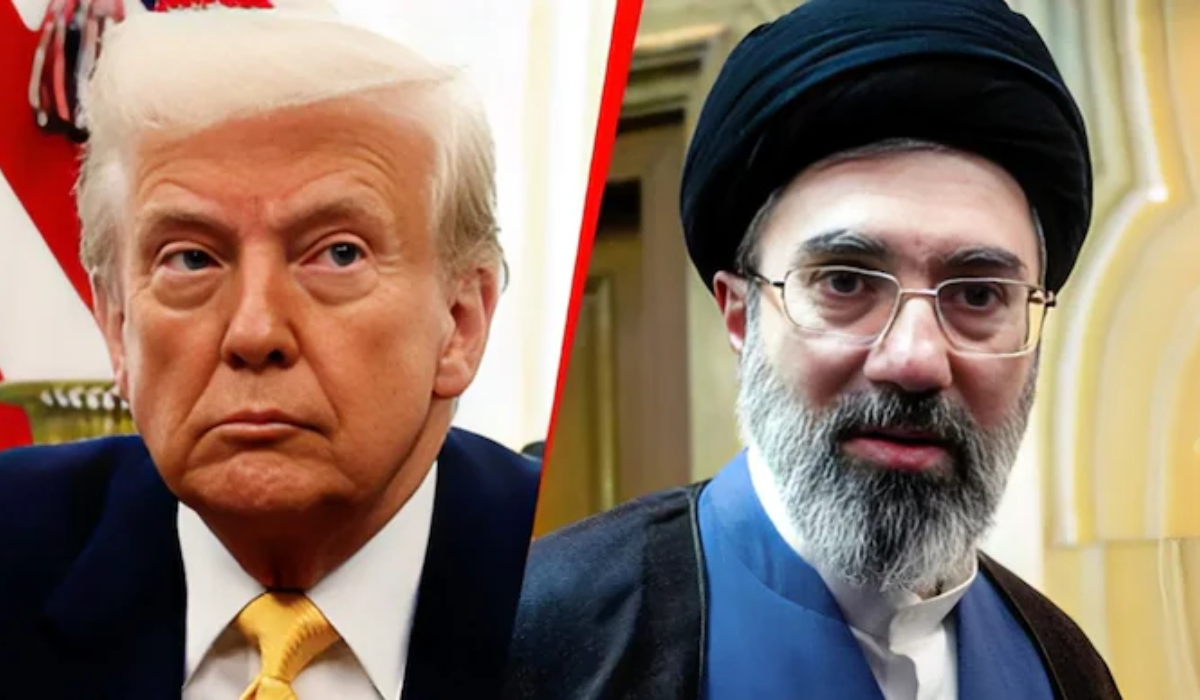
Iran’s response is framed as a 10-point structure that extends beyond a simple ceasefire, including demands to end regional conflicts, ensure safe navigation through the Strait of Hormuz, lift sanctions, and support reconstruction efforts.
Iran has rejected a US ceasefire proposal, conveying its response through Pakistan, according to the state-run Islamic Republic News Agency. The reply makes it clear that Tehran is not willing to accept a temporary truce, instead calling for a “permanent end to war.”
Iran’s position is outlined in a 10-point framework that goes beyond an immediate ceasefire. At its core, the proposal seeks a lasting end to hostilities not only within Iran but also in Lebanon and Gaza, along with firm assurances that the conflict will not resume. It also calls for recognition of Iran’s authority over the Strait of Hormuz, including the right to regulate maritime traffic and levy tolls on passing vessels.
The response came before Donald Trump’s deadline to launch attacks on Iranian energy and infrastructure.
Tehran demands recognition of its nuclear rights
The proposal also calls for the removal of all economic sanctions, which have long strained Iran’s economy. Additionally, Tehran is seeking formal recognition of its right to enrich uranium under the Nuclear Non-Proliferation Treaty (NPT), along with compensation for the economic losses caused by the war.
“We will not settle for just a ceasefire,” said Mojtaba Ferdousi Pour, head of Iran’s diplomatic mission in Cairo, speaking to Associated Press on Monday. “We will only accept an end to the war with guarantees that we will not be attacked again.”
“We want to bring this to an end,” says Donald Trump
Speaking to reporters on Monday, Donald Trump said the United States has “many alternatives” as the conflict continues, but signaled he is not prepared to step back at this stage. He noted that Washington could “leave right now” and that Iran would take years to recover, while adding that he wants to “finish it up.” He also reiterated that “Iran cannot have a nuclear weapon,” a claim Tehran has consistently denied, maintaining that its nuclear programme is not intended for weapons development.
At the same time, a White House official told CBS News that the Pakistan-backed ceasefire proposal is “one of several ideas” under consideration, but Donald Trump has not approved it. “Operation Epic Fury continues,” the official added.
Pakistan has been actively mediating between Iran and the United States, working behind the scenes to maintain open lines of communication amid rising tensions. Along with Pakistan, Egypt and Turkey are facilitating direct exchanges between Steve Witkoff and Iranian Foreign Minister Abbas Araghchi.