
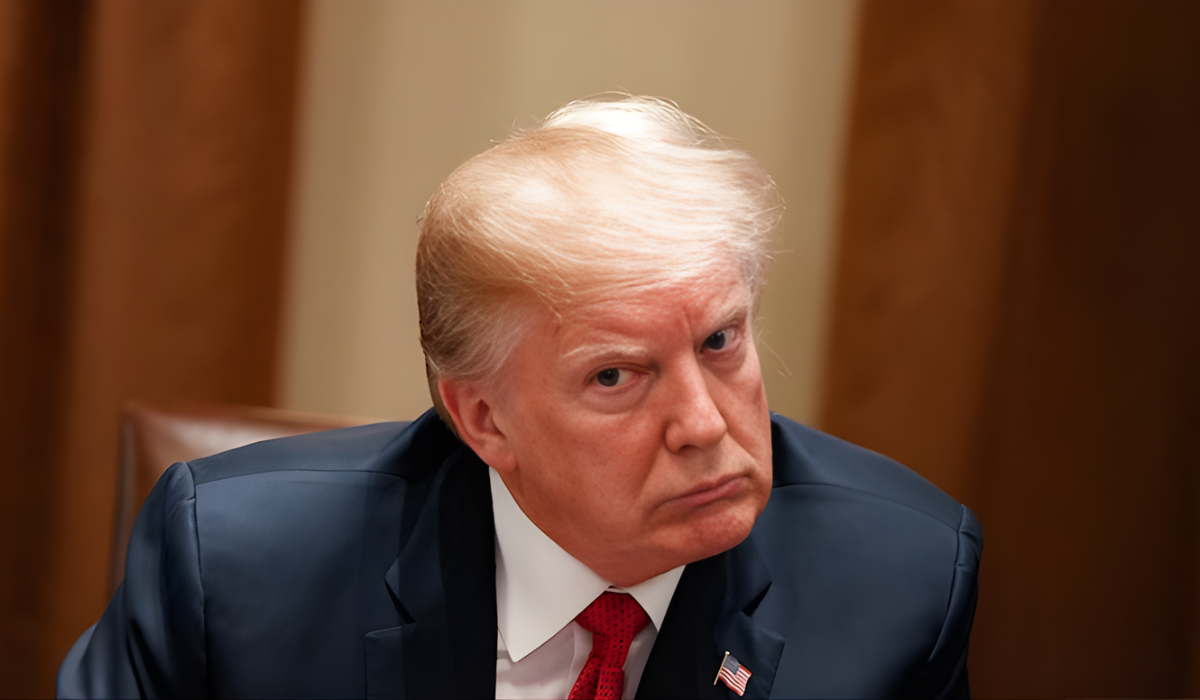
The conflict with Iran is unfolding not just through missiles but through memes. Over the past two weeks, the White House has enlisted pop culture icons like Iron Man and SpongeBob in meme-driven messaging to justify its actions. On Monday, Iran fired back – not with weapons, but with satire – after Donald Trump abruptly paused attacks on Tehran’s power plants for five days. From Lego-style animations to mimicry, Iranian media seized the moment to mock his sudden reversal. But history suggests Trump does not take such jabs lightly. The question remains: has Iran taken a risk it may soon regret?
The immediate trigger was Donald Trump’s abrupt U-turn, just two days after he warned of strikes on Iran’s power infrastructure if the Strait of Hormuz wasn’t reopened within 48 hours. Iran’s effective closure of the vital waterway – through which nearly 20% of the world’s oil and gas flows – has already sent global energy prices soaring. Yet on Monday, Trump shifted course, claiming the US was engaged in “direct” and “productive” talks with a shadowy figure within Iran’s leadership.
How Iran mocked Trump across social media platforms
Iran hit back with mockery, claiming Donald Trump had “backed down” while firmly denying any talks with the US. The viral “TACO” – or “Trump Always Chickens Out” – memes resurfaced on X, amplifying the ridicule. Iranian embassies also joined in, sharing satirical posts. One widely circulated meme from the Iranian embassy in South Africa showed a toy controller, poking fun at Trump’s claim that the Strait of Hormuz would soon be jointly controlled by the US and the “next Ayatollah.”
In another Lego-style animated clip, Iran portrays itself as the “Lord of the Strait,” while a visibly panicked Donald Trump is shown sweating as US naval forces come under attack.
Beyond animated satire, Iranian officials themselves have joined in mocking Donald Trump. One of the most striking moments came from IRGC spokesperson Ebrahim Zolfaghari, who delivered a public address in English while mimicking Trump’s signature style. “Hey, Trump, you are fired… Thank you for your attention to this matter,” he said – a pointed jab referencing Trump’s famous catchphrase from NBC’s reality show The Apprentice.
However, analysts caution that this strategy is not without risk. Despite demonstrating resilience against US-Israeli strikes, Iran has portrayed Trump’s decision to pause attacks as a sign of hesitation – even weakness. Yet, given Trump’s well-known sensitivity to public ridicule, experts warn that such mockery could provoke a sharp and potentially unpredictable response, especially when played out on a global stage.
Why mocking Trump may come at a cost for Iran
History offers a clear lesson – just ask India. Not that New Delhi’s approach was flawed, but it reveals how such situations can unfold. Last year, as US–India ties reached a low point, Donald Trump’s stance toward India appeared heavily influenced by his ego. The turning point came when India refused to endorse his claim that he had brokered a truce between India and Pakistan following the May hostilities – a claim he had made unilaterally.
While Pakistan resorted to overt flattery, India held its ground, maintaining that the ceasefire was the result of direct bilateral talks. The stance dealt a blow to Donald Trump’s aspirations of projecting himself as a global peacemaker. Even Prime Minister Narendra Modi avoided direct engagement on the issue, reportedly declining calls from Trump related to a partial trade deal.
Unwilling to overlook the perceived slight, Trump – known for his flair for political theatre – responded forcefully. The US imposed steep 50% tariffs on Indian imports, citing both reciprocal measures and India’s continued purchase of Russian oil. This was accompanied by sharp rhetoric from Trump and his aides, with India even being labeled a “dead economy.”
At the same time, Trump appeared to warm ties with Pakistan, signalling a shift that seemed to sideline India despite its longstanding role as a key Indo-Pacific partner.
Ukrainian President Volodymyr Zelensky, too, has experienced Donald Trump’s fragile ego firsthand. For months last year, Ukraine resisted Trump’s push for a minerals deal tied to continued military support. When Zelensky finally visited the White House in February 2025, the encounter turned tense – he was publicly rebuked, mocked for his attire, and criticized for not showing sufficient gratitude, all under global scrutiny.
Against this backdrop, Iran’s decision to aggressively mock Trump over what it portrays as an attempt to de-escalate could complicate any path to easing tensions. Analysts say such messaging may resonate domestically within Iran, but it risks provoking Trump, whose responses to public slights are often sharp and unpredictable.
The US President has already warned of escalation if diplomacy fails, declaring, “We will just keep bombing our little hearts out.” Yet some geopolitical observers remain sceptical, suggesting Trump may be buying time – especially with over 2,200 Marines aboard the USS Tripoli en route to the Middle East, expected to arrive within the same window as the temporary pause on strikes.
While Iran has moved swiftly to shape the narrative following Trump’s remarks, the key question is whether its strategy could trigger the very escalation it seeks to avoid. For now, it remains uncertain who will ultimately have the last word.