
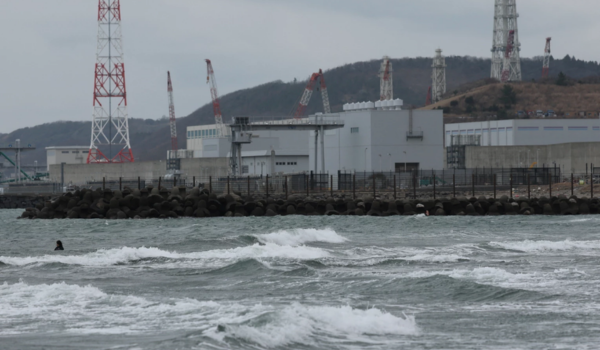
Japan is moving closer to restarting the world’s largest nuclear power plant, marking a major shift in the country’s energy strategy more than a decade after the Fukushima nuclear disaster. The decision reflects Japan’s growing focus on energy security, stable power supply, and reducing dependence on imported fossil fuels.
The facility, located in Niigata Prefecture, has remained shut since 2011. With recent approvals from local authorities, preparations are now underway to bring at least one reactor back online, potentially as early as next year.
A Major Energy Milestone:
The Kashiwazaki-Kariwa nuclear power plant is the largest in the world in terms of generating capacity. Its restart is expected to significantly boost electricity supply, especially for Japan’s heavily populated urban regions, including the Tokyo metropolitan area.
Officials view the move as crucial to meeting rising power demand driven by economic recovery, industrial growth, and expanding digital infrastructure such as data centres.
Shift in Japan’s Energy Policy:
Japan’s renewed push for nuclear energy signals a clear change in national policy. Nuclear power is being repositioned as a key source of low-carbon, stable energy, helping the country move toward its climate goals while ensuring long-term energy reliability.
By reviving large nuclear facilities, Japan aims to cut energy costs, reduce greenhouse gas emissions, and strengthen its energy independence.
Safety Concerns and Public Sentiment:
Despite the economic and environmental arguments, the restart has revived concerns among local residents and safety advocates. Memories of the Fukushima accident continue to shape public opinion, with calls for strict oversight and transparency.
Authorities have assured that the plant has undergone extensive safety upgrades and meets modern regulatory standards designed to prevent accidents and enhance emergency preparedness.
What Happens Next?
The restart process will continue to move through final regulatory checks and operational testing. If all conditions are met, the plant could begin supplying power again in the coming months, marking one of the most significant developments in Japan’s energy sector in recent years.
For more details and the fastest updates, follow us on @namma.updates. Stay informed and stay connected.