
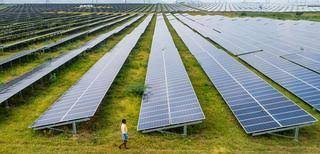
Karnataka has emerged as the top state in India for solarising public healthcare facilities, successfully installing solar power systems in more than 3,600 health centres under the government’s Saura Swasthya programme. This major clean-energy push is transforming healthcare delivery across rural and urban regions of the state.
Karnataka Becomes No.1 in Solar Healthcare Adoption
The large-scale transition to solar power is improving reliability in key public health services, making Karnataka the national leader. The initiative covers:
- Primary Health Centres (PHCs)
- Community Health Centres (CHCs)
- Sub-centres
- Rural healthcare units
By switching to solar power, these centres are now less dependent on the grid and experience fewer disruptions**—a critical factor for emergency and maternal care.**
How Solar Energy Is Strengthening Rural Healthcare
Many PHCs and CHCs in Karnataka previously struggled with power cuts, voltage fluctuations, and poor electricity supply. These issues often affected:
- Vaccine storage
- Emergency services
- Maternal care units
- Diagnostic tests
- Digital health records
With solar systems now installed, the centres enjoy uninterrupted power, ensuring smoother and safer medical care.
Key Benefits Observed:
- Reliable power for vaccine refrigerators
- Continuous functioning of labour rooms and critical equipment
- Improved telemedicine and digital health services
- Lower dependency on diesel generators
- Cleaner, greener healthcare environment
Massive Cost Savings for Public Health Facilities
Solarising over 3,600 centres has significantly reduced electricity bills across districts. Health officials report that many facilities have cut their power costs by 50% to 70%, allowing savings to be redirected towards:
- Medicines and supplies
- Hospital upgrades
- Patient welfare programmes
This dual benefit-cost efficiency and environmental sustainability-is a major reason the initiative is being praised nationwide.
Inside the Saura Swasthya Solar Programme
The Saura Swasthya initiative equips health facilities with:
- Rooftop solar power plants
- Battery backup for night operations
- Remote monitoring systems
- Training for staff on solar maintenance
The programme has seen extensive adoption in districts such as Koppal, Ballari, Kalaburagi, Tumakuru, Belagavi, Gadag, Udupi, and several others.
Officials highlight that Karnataka’s climatic conditions make it ideal for solar energy, ensuring high power generation throughout the year.
Environmental Impact: A Big Step Towards Green Healthcare
By solarising thousands of centres, Karnataka is reducing carbon emissions and contributing to India’s renewable energy and sustainability goals. Experts say this is one of the largest solar healthcare models implemented in the country.
Better Services & Higher Patient Satisfaction
Doctors and healthcare workers report improvement in:
- Night-time delivery care
- Emergency services
- Cold-chain stability for vaccines
- Diagnostic testing
- Patient registration systems
Patients now experience shorter waiting times and more reliable healthcare, especially in rural and remote areas.
A Model for India’s Future Healthcare Systems
The success of Karnataka’s solar health infrastructure is drawing national attention. Several states are studying the model, and the central government has acknowledged the initiative as a scalable and replicable clean-energy blueprint for India.
Next Phase: Expanding Solar to More Health Institutions
Karnataka is planning the next steps, which include:
Integrating solar into new health facility construction
Solarising more CHCs, PHCs, and district hospitals
Introducing solar-powered ambulances
Solar cold-storage units for medical supplies
For more details and the fastest updates, follow us on @namma.updates. Stay informed and stay connected.