
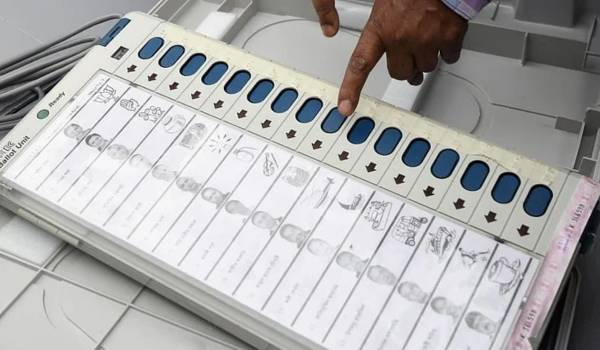
A recent survey conducted across Karnataka has revealed mixed opinions among voters regarding the reliability of Electronic Voting Machines (EVMs), while showing that the majority of citizens continue to believe that elections in India are free, fair, and transparent. The findings offer a detailed insight into public perception of the electoral process and highlight both confidence and skepticism in the state’s democratic machinery.
While most voters expressed faith in the fairness of elections, a minority of respondents raised doubts about EVMs, citing concerns such as possible technical malfunctions, tampering, or lack of clarity in vote counting. Analysts note that such skepticism, although limited, indicates the need for sustained voter awareness programs and transparency initiatives by authorities.
Voter Confidence in Elections Remains High;
Despite concerns about EVMs, the survey found that trust in India’s broader electoral system remains robust. Citizens praised the Election Commission of India (ECI) for its efforts to maintain transparency, ensure smooth polling, and prevent electoral malpractices. Many respondents highlighted that measures such as Voter Verified Paper Audit Trail (VVPAT) systems have strengthened confidence in the voting process, enabling voters to verify that their votes are accurately recorded.
Experts say this reflects a nuanced perception among voters-while some harbor doubts about the technology, most retain faith in the integrity and impartiality of India’s elections.
Understanding the Skepticism Around EVMs:
The survey revealed that skepticism is more prominent among first-time voters, older citizens, and residents in rural areas. Many of these voters cited limited exposure to EVMs or misleading information circulating on social media as reasons for their doubts.
Political analysts argue that even rare technical glitches in past elections, often widely publicized, can amplify mistrust. Addressing these concerns, they recommend public demonstrations, voter education campaigns, and media outreach to reassure citizens of the machines’ reliability and security.
The Role of Young Voters:
A striking finding from the survey is the attitude of young voters toward EVMs and the electoral system. While younger citizens tend to be more tech-savvy and accepting of electronic voting, they are also more vocal about transparency and accountability. Many first-time voters indicated that they would like more information on how EVMs work, how votes are counted, and how election security is ensured.
This underscores the importance of interactive campaigns, social media engagement, and educational initiatives aimed at the youth to build trust and encourage active participation.
Bridging Technology and Public Trust:
India’s adoption of EVMs has been recognized as a major step in streamlining the voting process and reducing human error. However, the survey highlights that technology alone cannot guarantee trust. Experts emphasize that clear communication, accessibility of information, and visible accountability measures are essential to maintain voter confidence.
Authorities are encouraged to proactively address doubts, conduct public awareness drives, and provide demonstrations in schools, colleges, and community centers to help citizens understand and trust the voting system.
Key Takeaways From the Karnataka Survey:
- Majority trust the election process: Despite some skepticism, most respondents are confident that elections are fair and transparent.
- EVM doubts persist among certain groups: First-time voters, older adults, and rural residents show slightly higher levels of mistrust.
- Youth engagement is critical: Young voters demand clarity and transparency, highlighting the need for educational outreach.
- Voter awareness campaigns matter: Ongoing initiatives to demonstrate the security and reliability of EVMs can bridge the trust gap.
The survey illustrates the delicate balance between technology and trust in India’s electoral system. While confidence in the overall voting process remains strong, addressing isolated concerns about EVMs is vital for sustaining public faith in the democratic framework.
For more details and the fastest updates, follow us on @namma.updates. Stay informed and stay connected.