
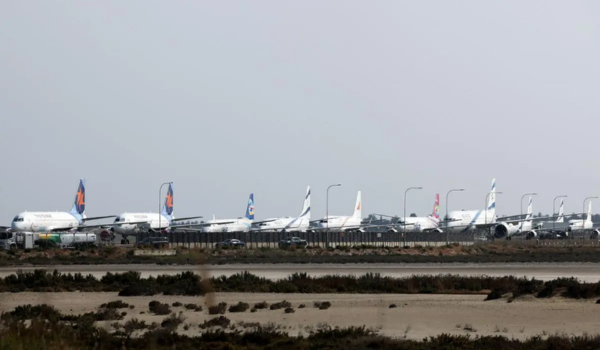
Air travel across the Middle East is witnessing heightened disruption as escalating tensions between the United States and Iran push airlines to operate under increased caution. The growing geopolitical uncertainty has forced several international and regional carriers to reassess their flight paths, suspend services to select destinations, and implement emergency contingency plans.
Airlines flying between Europe, Asia, and the Middle East are particularly affected, as the region serves as a crucial aviation corridor linking major global markets. With rising concerns over airspace safety, carriers are avoiding certain routes and choosing longer alternative paths to minimize potential risks. These changes are resulting in extended flight durations, increased fuel consumption, and higher operational costs.
Key Middle Eastern aviation hubs, known for handling millions of transit passengers each year, are experiencing delays and schedule adjustments. Flights connecting through these hubs are facing knock-on effects, impacting passengers traveling onward to destinations in Asia, Africa, and Europe. For many travelers, this has meant last-minute itinerary changes, missed connections, and uncertainty over travel plans.
The Iran-US standoff has intensified fears of instability in the region, prompting aviation authorities to remain vigilant. While commercial aviation has not been directly targeted, airlines are prioritizing safety by proactively adjusting operations rather than reacting to emergencies. Industry insiders say this cautious approach reflects lessons learned from past regional conflicts that disrupted global air travel.
Air cargo operations are also feeling the strain. Rerouted freight flights are taking longer to reach destinations, affecting supply chains and delivery schedules. Sectors dependent on time-sensitive shipments, including electronics, pharmaceuticals, and perishable goods, could face delays if disruptions continue.
Passengers are being urged to monitor flight updates closely and stay in contact with airlines for the latest information. Many carriers are offering flexible rebooking options, fee waivers, or alternative travel arrangements to help minimize inconvenience. Travel experts recommend allowing extra time for connections and preparing for possible delays when traveling through the Middle East.
Looking ahead, aviation analysts warn that prolonged geopolitical tensions could lead to sustained pressure on airline networks serving the region. If the situation escalates further, additional route suspensions and capacity reductions cannot be ruled out. Airlines are continuing to work closely with international aviation regulators and security agencies to assess risks in real time.
As diplomatic efforts continue and the situation remains fluid, the Middle East aviation sector is navigating a challenging period marked by uncertainty and operational strain. For now, airlines remain on high alert, balancing safety concerns with the need to maintain essential global connectivity.
For more details and the fastest updates, follow us on @namma.updates. Stay informed and stay connected.