
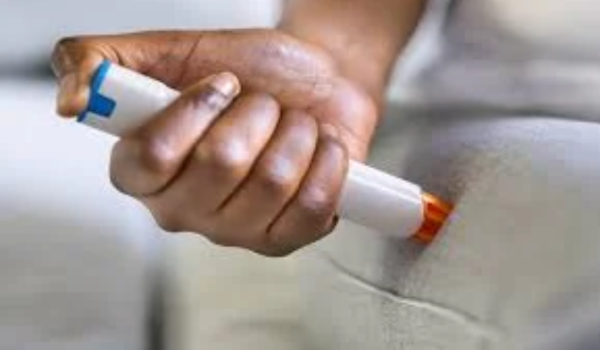
Recent findings have shed light on the day-to-day challenges faced by patients with Hereditary Angioedema (HAE) who rely on injectable on-demand treatments to manage sudden attacks. While these therapies are effective in controlling symptoms, patients report that the method of treatment itself can place a significant burden on their quality of life.
HAE is a rare genetic condition marked by unpredictable swelling episodes that can affect the skin, abdomen, and airways. For many patients, quick access to on-demand medication is essential. However, the requirement to self-inject during or ahead of an attack often adds physical, emotional, and practical stress.
Impact on Daily Life:
Patients using injectable treatments have reported anxiety around administering injections, especially during severe or unexpected attacks. Many say the fear of pain, incorrect dosing, or delays in treatment can disrupt daily routines, travel plans, work schedules, and social life.
The need to always carry injection supplies and store medication properly has also been described as a constant reminder of the condition, contributing to emotional strain and reduced confidence in public or professional settings.
Emotional and Psychological Challenges:
Beyond the physical aspects, injectable on-demand therapies are linked to mental and emotional challenges, including stress, fear of future attacks, and feelings of dependence on emergency medication. Some patients report avoiding activities or travel due to concerns about managing injections outside a controlled environment.
This ongoing uncertainty can affect overall well-being and long-term mental health, particularly among younger patients and those newly diagnosed with HAE.
Call for Patient-Centric Treatment Options:
The findings have renewed calls for more patient-friendly treatment approaches, including easier-to-administer therapies and preventive options that reduce reliance on emergency injections. Healthcare experts emphasize the importance of factoring quality of life into treatment decisions, not just clinical effectiveness.
Improving education, support systems, and access to alternative therapies may help patients better manage both the physical symptoms and emotional burden of HAE.
Looking Ahead:
As awareness of HAE grows, researchers and healthcare providers are increasingly focusing on holistic care models that prioritize convenience, mental well-being, and lifestyle flexibility. Future treatment advancements could play a key role in easing the daily burden faced by patients living with this rare condition.
For more details and the fastest updates, follow us on @namma.updates. Stay informed and stay connected.