
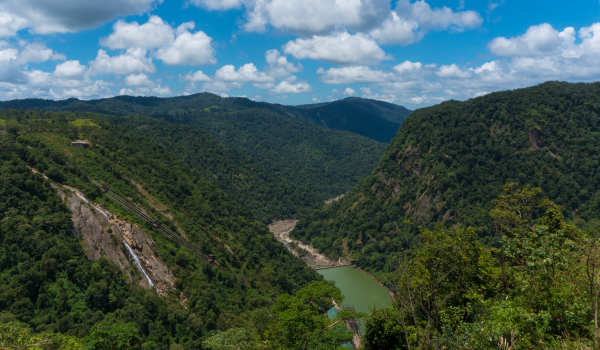
A major power project proposed in the ecologically sensitive Sharavathi Valley in Karnataka has received approval from the National Board for Wildlife, paving the way for its next phase of development. According to official documents, the wildlife board has granted clearance for the project, marking a significant milestone for the state’s energy expansion plans.
The proposed project, designed as a large-scale pumped storage power facility, aims to strengthen Karnataka’s electricity infrastructure and improve energy storage capacity. Officials believe the initiative will help meet rising power demand, especially during peak hours, and support the integration of renewable energy sources such as solar and wind power into the grid. By enhancing storage capabilities, the project is expected to contribute to a more stable and reliable electricity supply across the region.
Supporters of the project say it will play a crucial role in boosting the state’s long-term energy security. They argue that pumped storage projects are essential for balancing fluctuations in renewable energy generation and ensuring uninterrupted power for industries, households, and essential services. The development is also expected to generate employment opportunities during both construction and operational phases, potentially benefiting local communities.
However, the approval has sparked debate among environmental groups and conservationists. Sharavathi Valley is known for its rich biodiversity and dense forest cover, forming part of the Western Ghats, one of the world’s most ecologically significant regions. Environmental experts have raised concerns about the potential impact on wildlife habitats, forest land, and fragile ecosystems in the area.
Authorities have stated that the project will adhere to strict environmental safeguards and regulatory conditions laid down by the wildlife board. They have assured that necessary mitigation measures will be implemented to minimize ecological disturbance and ensure full compliance with environmental norms.
The development highlights the ongoing challenge of balancing infrastructure growth with environmental conservation. As Karnataka continues to expand its energy capacity to support economic growth and development, the Sharavathi Valley power project remains central to a broader conversation about sustainable progress and responsible planning.
With the wildlife board’s approval now in place, the project is expected to move forward through additional regulatory processes, even as discussions continue around environmental protection and long-term sustainability.
For more details and the fastest updates, follow us on @namma.updates. Stay informed and stay connected.