
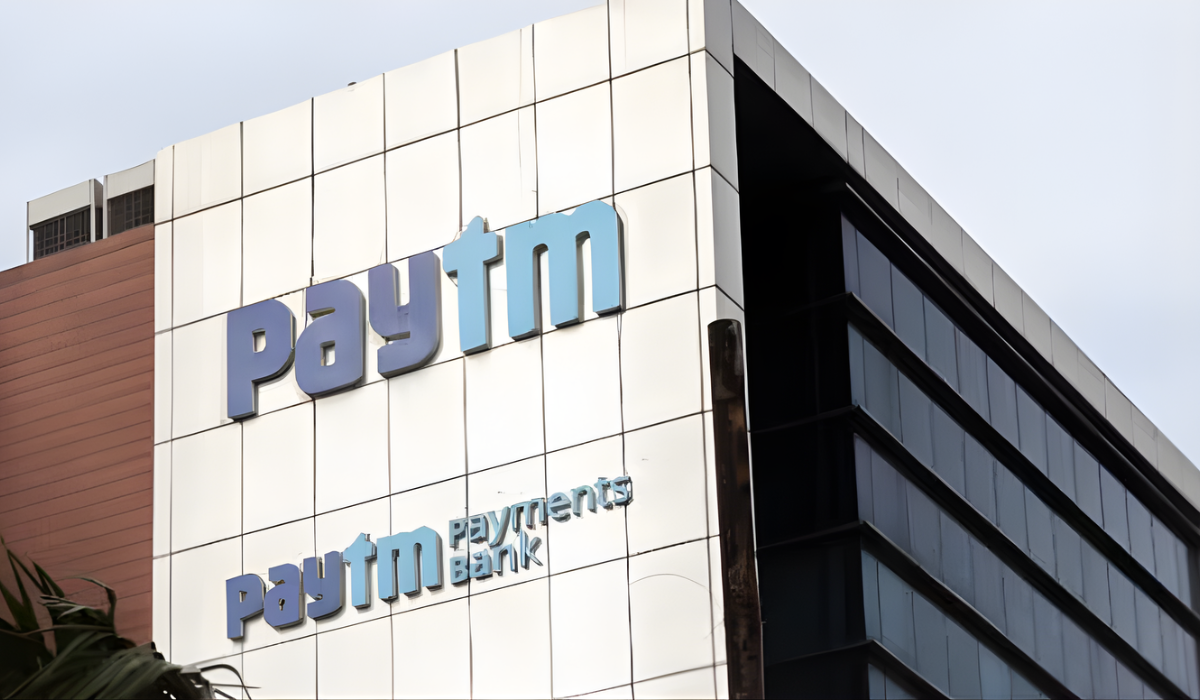
Reserve Bank of India revokes Paytm Payments Bank licence: What it means for Paytm users
The Reserve Bank of India has cancelled the banking licence of Paytm Payments Bank (PPBL), though the immediate impact on many users may be less significant than it seems.
This is because several key restrictions had already been imposed earlier, and many affected services were no longer functioning as usual.
In an order dated April 24, the RBI said the licence granted to PPBL under the Banking Regulation Act stands cancelled with effect from the close of business on the same day.
The central bank added that the entity is barred from carrying out any banking operations with immediate effect.
The Reserve Bank of India also said it will move the High Court to initiate the winding-up process. It noted that Paytm Payments Bank has sufficient liquidity to fully repay all its deposit liabilities during the process.
What Paytm users need to know now
Before this latest action, Paytm Payments Bank had already been directed to stop onboarding new customers from March 11, 2022.
Subsequently, the Reserve Bank of India imposed further restrictions, preventing fresh deposits, credits, and top-ups in existing accounts, prepaid instruments, and wallets.
In simple terms, many of the services users are concerned about today had already been curtailed earlier. This latest step formalises the end of the bank’s licence rather than abruptly shutting down a fully operational bank.
For customers holding balances with Paytm Payments Bank, the RBI has reassured that the bank has sufficient liquidity to repay all deposit liabilities.
If you use the Paytm app for UPI transactions linked to another bank account, your experience will largely depend on that linked bank, meaning this move does not directly affect your payments.
In its order, the RBI stated that the bank’s affairs were conducted in a manner detrimental to the interests of both the institution and its depositors. It also cited concerns about management practices being prejudicial to depositor and public interest, along with non-compliance with licence conditions.
Overall, for most users, this development is less about a sudden disruption and more about the conclusion of a prolonged regulatory process.