
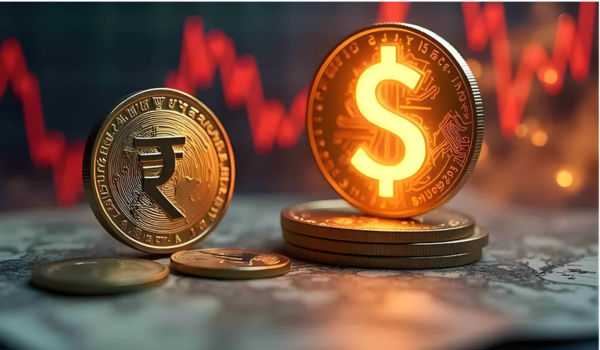
US tariffs, record trade deficit and sustained foreign outflows weigh on the rupee
The Indian rupee fell to a fresh record low on Friday, December 12, breaching the key psychological threshold of 90 against the US dollar as trade tensions with the United States intensified and foreign investors continued to pull money out of domestic markets. With a year-to-date decline of nearly 6 per cent, the rupee has now become the weakest-performing currency in Asia.
The sustained slide comes despite India reporting strong economic growth of 8.2 per cent in the July–September quarter. Analysts attribute the pressure on the currency to a combination of external and structural factors, including higher US tariffs, a widening trade deficit and persistent foreign portfolio outflows.
Tariffs imposed by the Trump administration ranging up to 50 per cent on select Indian exports have significantly worsened the trade balance. India’s merchandise trade deficit surged to a record USD 41.7 billion in October, further weighing on the rupee.
Prospects of relief through a long-awaited bilateral trade agreement have also faded, after recent talks between India’s Commerce Secretary and US officials ended without a breakthrough. Prime Minister Narendra Modi is understood to have raised the issue directly with US President Donald Trump, but no immediate resolution has emerged.
Adding to the strain, foreign investors have withdrawn approximately USD 18 billion from Indian equities so far this year, shifting funds toward stronger-performing emerging markets. The MSCI India index has delivered a modest 2.5 per cent return in dollar terms, sharply lagging the broader emerging markets index, which has gained nearly 28 per cent marking the widest performance gap in over 30 years.
Seasonal dollar demand from companies for year-end payments, along with aggressive hedging by importers, further accelerated the currency’s decline. During intraday trade on December 12, the rupee moved between 90.55 and 90.63 per dollar, slipping past the previous all-time low of 89.73 recorded earlier this month. The currency is now on track for its steepest annual fall since 2022.