
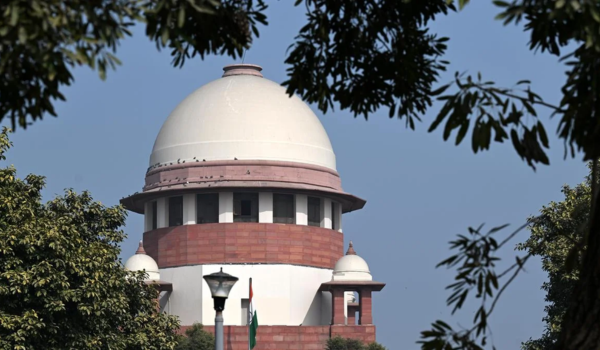
The Supreme Court has described the alleged obstruction faced by the Enforcement Directorate (ED) during its recent raids in Kolkata as a “very serious matter”, signaling close judicial scrutiny of the issue. The top court said it would carefully examine the claims after the central agency reported resistance while carrying out searches linked to a financial investigation.
The observations were made during a hearing where the ED informed the court that its officers were allegedly prevented from performing their duties during operations in parts of Kolkata. According to the agency, its teams encountered resistance that disrupted the execution of lawful search and seizure procedures, raising concerns over the rule of law and the protection of investigative agencies.
Taking note of the submissions, the Supreme Court underlined that any obstruction to central investigating agencies while they are acting within the scope of the law cannot be taken lightly. The bench emphasized that such incidents, if proven, strike at the very foundation of the justice system and undermine institutional authority.
The court assured that it would examine the matter thoroughly, including the circumstances under which the raids were conducted and the nature of the alleged interference. While refraining from making any final observations at this stage, the bench made it clear that the judiciary would not ignore claims that could affect the independence and functioning of investigative bodies.
The ED’s Kolkata raids are part of a broader probe into suspected financial irregularities and alleged money laundering cases. Such operations often attract political attention, especially when linked to high-profile individuals or sensitive investigations. However, the Supreme Court reiterated that law enforcement agencies must be allowed to carry out their duties without fear, pressure, or obstruction, regardless of political or administrative considerations.
At the same time, the court stressed the importance of maintaining a balance between enforcement powers and constitutional safeguards. It noted that all actions by investigative agencies must remain within the bounds of the law and respect individual rights, even as allegations of interference are being assessed.
Legal observers say the court’s strong remarks highlight growing concern over repeated claims of resistance faced by central agencies in various states. The outcome of this examination could have wider implications for how such agencies operate on the ground and how state authorities coordinate with central investigations.
As the matter remains under consideration, the Supreme Court’s intervention signals that the issue will be closely monitored. The court is expected to seek further details before deciding on the next course of action, keeping the focus on accountability, lawful enforcement, and the smooth functioning of investigative processes.
For more details and the fastest updates, follow us on @namma.updates. Stay informed and stay connected.