
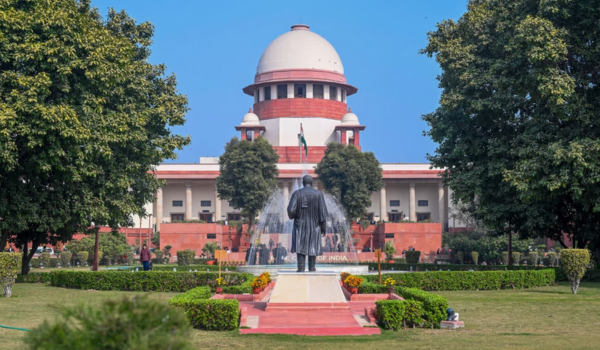
The Supreme Court on Monday deferred the hearing of the privacy policy case involving WhatsApp and its parent company Meta, pushing the matter to February 23. The adjournment keeps one of the most closely watched legal disputes on digital privacy and user data protection in focus, as concerns over how personal information is handled by major technology platforms continue to grow.
The case revolves around WhatsApp’s updated privacy policy, which sparked widespread debate when it was introduced. Several petitioners have challenged the policy, arguing that it raises serious concerns about user privacy and lacks sufficient transparency. The issue gained national attention due to WhatsApp’s massive user base in India and the platform’s deep integration into everyday communication.
During the hearing, the Supreme Court chose to adjourn the proceedings to allow more time for submissions and further examination of the legal issues involved. No interim directions were issued by the court, meaning the current situation will remain unchanged until the next scheduled hearing.
The dispute has been pending for several years and has taken on greater significance as India’s digital ecosystem continues to expand rapidly. With messaging platforms playing a critical role in personal, professional, and business communication, the outcome of the case is expected to have wider implications for data protection standards and platform accountability.
Petitioners have maintained that users were effectively compelled to accept the revised privacy policy and that the consent framework did not adequately explain how user data could be used or shared. Concerns have also been raised about data sharing for business-related communication, with critics warning that such practices could weaken user control over personal information.
WhatsApp has defended its policy, stating that the changes were intended to provide greater clarity on how users interact with businesses on the platform. The company has repeatedly emphasized that personal messages remain protected through end-to-end encryption and that private conversations are not accessed or read.
Legal experts view the case as a crucial moment in shaping the future of digital privacy in India. The Supreme Court’s eventual ruling is expected to influence how technology companies design their privacy policies and how user consent is defined and enforced under Indian law.
The adjournment comes at a time when awareness around digital rights is increasing, with users demanding clearer information and stronger safeguards for their personal data. Policymakers and industry stakeholders are also closely watching the proceedings, as the decision could guide future regulations governing online platforms.
With the next hearing scheduled for February 23, the case is likely to remain under close public and legal scrutiny. The Supreme Court’s decision will play a key role in determining how privacy, technology, and user rights are balanced in India’s evolving digital landscape.
For more details and the fastest updates, follow us on @namma.updates. Stay informed and stay connected.