
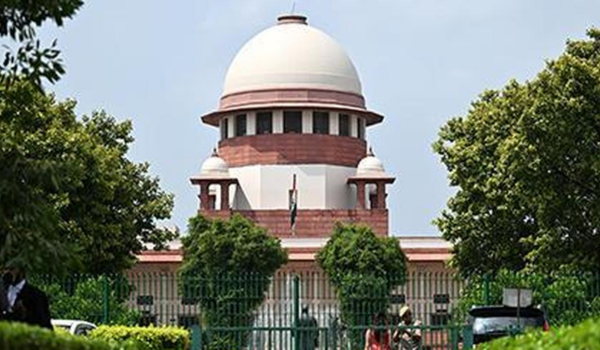
In a significant development, the Supreme Court of India has scheduled the final hearing on the Citizenship Amendment Act (CAA) to commence from May 5, 2026. The announcement marks a decisive step in resolving one of the most closely watched constitutional matters in the country.
The CAA, enacted to amend India’s citizenship laws, has been under judicial scrutiny since it was passed. Several petitions were filed challenging the constitutional validity of the Act, with concerns raised over its compatibility with the principles of equality and secularism guaranteed under the Constitution. The case has generated widespread public debate, legal discussions, and political reactions across the nation.
With the final hearing date now confirmed, the apex court is expected to undertake an extensive examination of the arguments presented by both the petitioners and the Union government. Petitioners are likely to question whether the classification within the Act aligns with constitutional safeguards, while the government is expected to defend the legislation as a targeted humanitarian measure designed to address specific historical and regional concerns.
The May 5, 2026 hearing will allow the bench to hear detailed final submissions and clarify key constitutional questions that have remained unresolved for years. Legal observers believe the proceedings could result in an authoritative interpretation of Parliament’s powers in framing citizenship laws and the boundaries of such authority under fundamental rights provisions.
The scheduling of the final hearing also signals the court’s intent to bring closure to the prolonged litigation. Over time, interim applications, procedural hearings, and administrative aspects have delayed a conclusive adjudication. The upcoming arguments are expected to be comprehensive and structured, reflecting the gravity and complexity of the matter.
Beyond the courtroom, the case continues to hold political and social relevance. The final verdict will not only determine the future of the CAA but may also influence broader debates on constitutional values, legislative powers, and the rights of individuals under Indian law.
As the nation awaits the May 2026 proceedings, attention remains firmly fixed on the Supreme Court, whose decision is expected to shape the legal and policy landscape surrounding citizenship in India for years to come.
For more details and the fastest updates, follow us on @namma.updates. Stay informed and stay connected.