
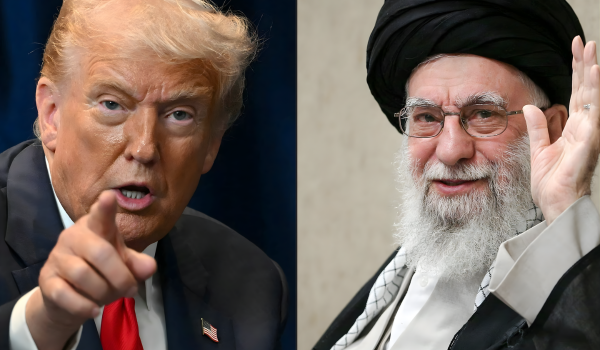
U.S. President Donald Trump said on Friday (February 27, 2026) that he is “not happy” with the progress of talks with Iran so far but added that he will wait to see how upcoming rounds of negotiations with the West Asian nation over its nuclear program unfold.
“I’m not satisfied that they are unwilling to give us what we need. I’m not pleased with that. We’ll see what happens. We’re speaking again later,” Mr. Trump told reporters as he departed the White House on Friday.
“We’re not particularly happy with the way they’re negotiating. They cannot be allowed to have nuclear weapons,” he added.
Tensions between the United States and Iran remain elevated after the latest round of nuclear talks in Geneva on Thursday ended without a breakthrough, even as American forces continue to assemble in the region.
Mr. Trump has warned of possible military action if Iran refuses to accept a comprehensive agreement aimed at curbing its nuclear program. Tehran, however, maintains that it has the right to enrich uranium for peaceful purposes and denies any intention of developing nuclear weapons.
When asked about the possibility of the U.S. getting drawn into a prolonged conflict in West Asia if it were to strike Iran, Mr. Trump acknowledged that “there’s always a risk” in war, saying anything can happen once military action begins.
“I suppose you could say there’s always a risk,” Mr. Trump responded. “When there’s war, there’s the possibility of anything happening — both positive and negative.”
Earlier on Friday, the U.S. State Department announced that Secretary of State Marco Rubio would travel to Israel early next week. The U.S. Embassy in Israel had previously advised staff wishing to leave to do so, aligning with other countries that have urged their citizens to depart the region – a move seen as signalling that potential U.S. military action could be imminent. However, the announcement of Rubio’s visit may suggest that any possible strike is not immediate and could follow a longer timeline.
A confidential report from the UN’s nuclear watchdog has confirmed that Iran has not granted inspectors access to sensitive nuclear facilities since they were heavily bombed during the 12-day conflict initiated by Israel last June. As a result, the agency said it is unable to verify Tehran’s claim that it halted uranium enrichment following the U.S. and Israeli strikes.