
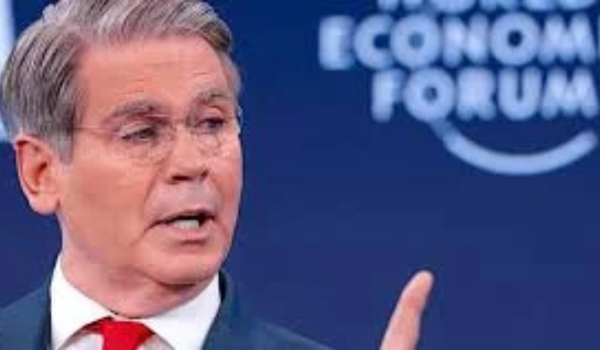
The United States has signaled that it may roll back a 25% tariff imposed on Indian goods following a significant reduction in India’s imports of Russian crude oil. The development is being seen as a potential breakthrough in easing trade tensions between the two countries and strengthening bilateral economic ties.
US Treasury Secretary Scott Bessent indicated that there is now a clear pathway to reconsider the additional tariff, linking the move directly to India’s shift in energy sourcing. The tariff was introduced earlier as part of Washington’s broader effort to discourage major economies from continuing large-scale purchases of Russian oil amid the ongoing geopolitical conflict in Eastern Europe.
India’s decision to scale down its reliance on discounted Russian crude appears to have addressed one of the US administration’s key concerns. Officials in Washington have described the move as a positive response to international pressure, suggesting that economic and diplomatic engagement has influenced policy outcomes. While the tariff remains in place for the time being, the latest comments reflect a softer stance and increased openness to compromise.
The 25% duty has had a notable impact on Indian exporters, particularly those in sectors such as engineering goods, pharmaceuticals, chemicals, textiles, and consumer products. Higher tariffs reduced competitiveness in the US market, leading to concerns among exporters about shrinking margins and lost market share. A rollback could offer immediate relief to these industries and help revive export momentum.
Trade experts believe easing the tariff could also help revive broader trade negotiations between Washington and New Delhi. The two countries have been seeking to deepen economic cooperation across multiple areas, including technology, manufacturing, clean energy, and supply chain resilience. Removing trade barriers could accelerate progress toward long-term agreements and open new opportunities for businesses on both sides.
From a strategic perspective, the possible rollback reflects the growing importance of the US-India partnership. As global supply chains are reshaped and geopolitical alignments shift, both countries are looking to strengthen economic ties and reduce vulnerabilities linked to unstable regions. Improved trade relations could support shared goals in economic growth, energy security, and regional stability.
However, US officials have cautioned that any formal decision will depend on continued alignment with Washington’s expectations, particularly regarding energy imports and foreign policy coordination. The situation remains dynamic, and further discussions are expected in the coming weeks as both sides assess progress.
For India, a rollback of the tariff would not only ease pressure on exporters but also signal international recognition of its efforts to balance economic interests with geopolitical realities. For the US, it would demonstrate a willingness to reward policy shifts and reinforce its approach of using economic tools to influence global behavior.
If implemented, the rollback of the 25% tariff could mark a turning point in US-India trade relations, offering renewed confidence to businesses, boosting bilateral commerce, and strengthening one of the world’s most important strategic partnerships at a time of global uncertainty.
For more details and the fastest updates, follow us on @namma.updates. Stay informed and stay connected.