
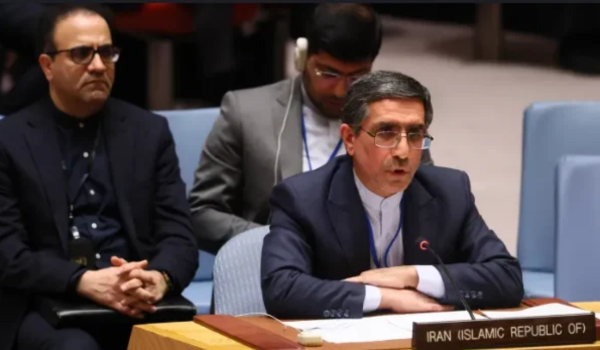
The United Nations Security Council convened an emergency meeting in New York this week to address the unfolding nationwide protests in Iran, which have turned increasingly deadly and drawn global concern. The session was called at the request of the United States, reflecting deep international alarm over the scale of violence and instability in the Islamic Republic as protests against the government continue to spread.
The protests, which began in late December 2025 in response to worsening economic conditions, soaring inflation and sharp declines in living standards, have rapidly evolved into a broad challenge to Iran’s theocratic leadership. Demonstrations have occurred in cities across the country, involving students, shopkeepers, and large segments of the population demanding political reform and accountability. According to several reports, the crackdown by Iranian security forces has resulted in thousands of deaths and tens of thousands of arrests, making this one of the most severe periods of unrest since the country’s 1979 revolution.
At the Security Council meeting, diplomats exchanged sharp criticisms. The U.S. representative stressed that Washington stands with the Iranian people and warned that “all options are on the table” to address the crisis, signaling that military measures, sanctions, or other actions could follow if the violence continues. Meanwhile, Iran’s deputy ambassador rejected these claims, accusing the United States of interference and asserting that Tehran seeks no confrontation, yet warning that any foreign aggression would be met with a firm response. Several members of the Council, including Russia and China, echoed Iran’s concerns, urging restraint and accusing the U.S. of exacerbating the situation.
Senior United Nations officials, including representatives of the Secretary-General, urged maximum restraint and called for all parties to prevent further loss of life. The UN stressed the need for humanitarian treatment of detainees and independent investigations into the reported killings, amid widespread reports of casualties and alleged abuses by security forces.
The meeting also featured testimony from Iranian dissidents who highlighted human rights violations and urged the Security Council to take stronger action. One activist delivered a direct appeal, describing ongoing repression and warning that without meaningful international intervention the situation could deteriorate further.
Beyond the Security Council chamber, the crisis has led to broader geopolitical ripple effects. A number of countries have condemned Iran’s violent response to protests, while some Western governments have announced new sanctions targeting officials allegedly involved in the crackdown. There are also concerns about potential military escalation, as rhetoric from Washington and Tehran intensifies, even as some diplomatic efforts aim to de-escalate tensions.
Overall, the emergency session underlined the deep divisions within the international community over how best to respond to Iran’s internal unrest, with some members advocating for stronger pressure on Tehran and others warning against actions that could further inflame regional instability. This high-level meeting reflects the global significance of the unrest in Iran and the complex challenges facing efforts to resolve it peacefully.
For more details and the fastest updates, follow us on @namma.updates. Stay informed and stay connected.