
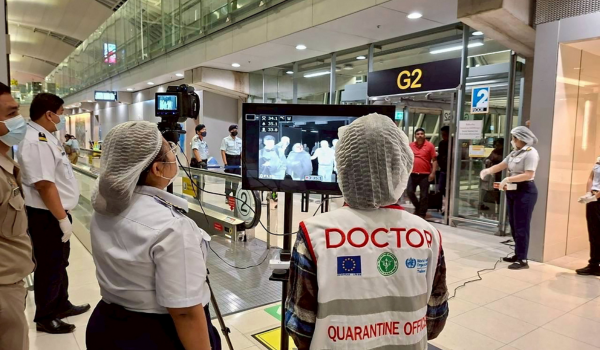
Health authorities across several Asian countries have tightened airport screening and surveillance measures after India confirmed two cases of the Nipah virus, a rare but serious infection. The move reflects growing caution among regional governments as they work to prevent cross-border transmission and reassure the public.
While officials stress that there is no cause for panic, the heightened checks underline the seriousness with which countries are treating any potential public health threat.
Why Airports Are on Alert?
Airports are often the first line of defence against the spread of infectious diseases. Following confirmation of the cases in India, authorities in parts of Asia have increased monitoring of passengers arriving from affected regions. Measures include health declarations, temperature checks, and closer observation of travellers showing flu-like symptoms.
Officials say the goal is early detection and prevention, not disruption of travel. Most airports continue to operate normally, with screening designed to be swift and non-intrusive.
About the Nipah Virus:
The Nipah virus is known to spread through close contact with infected animals or humans. Although cases are rare, the virus has previously caused localized outbreaks, prompting health agencies to maintain strict vigilance whenever new cases are reported.
Medical experts note that prompt identification, isolation, and contact tracing are key to containing any potential spread. Public health systems across the region are on standby to respond if required.
India’s Response:
Indian health authorities have moved quickly following confirmation of the two cases. Surveillance has been increased in affected areas, and precautionary steps are being taken to monitor contacts and prevent further transmission. Officials have emphasized that the situation is being closely managed and that response protocols are already in place.
Authorities have also urged the public to rely on official updates and avoid misinformation, stressing that early action significantly reduces risk.
Regional Preparedness Steps:
Several Asian countries have reviewed their health preparedness plans in response to the development. Hospitals have been advised to remain alert for symptoms, while airport and port authorities are coordinating with health departments to ensure rapid response capabilities.
Governments say these steps are preventive in nature, reflecting lessons learned from past health crises where early vigilance proved critical.
Impact on Travel and Public Life:
At present, there are no travel restrictions, and routine movement continues across the region. Airlines and airport operators are cooperating with health authorities to ensure safety without causing unnecessary delays.
Experts say that such measures are standard practice when infectious disease concerns arise and help maintain confidence among travellers and the wider public.
Looking Ahead:
Health officials continue to monitor the situation closely. While the risk to the general public remains low, authorities across Asia are focused on early detection and containment to prevent escalation.
The increased airport screening serves as a reminder of the importance of regional cooperation in public health and of staying alert without giving in to fear.
For more details and the fastest updates, follow us on @namma.updates. Stay informed and stay connected.