
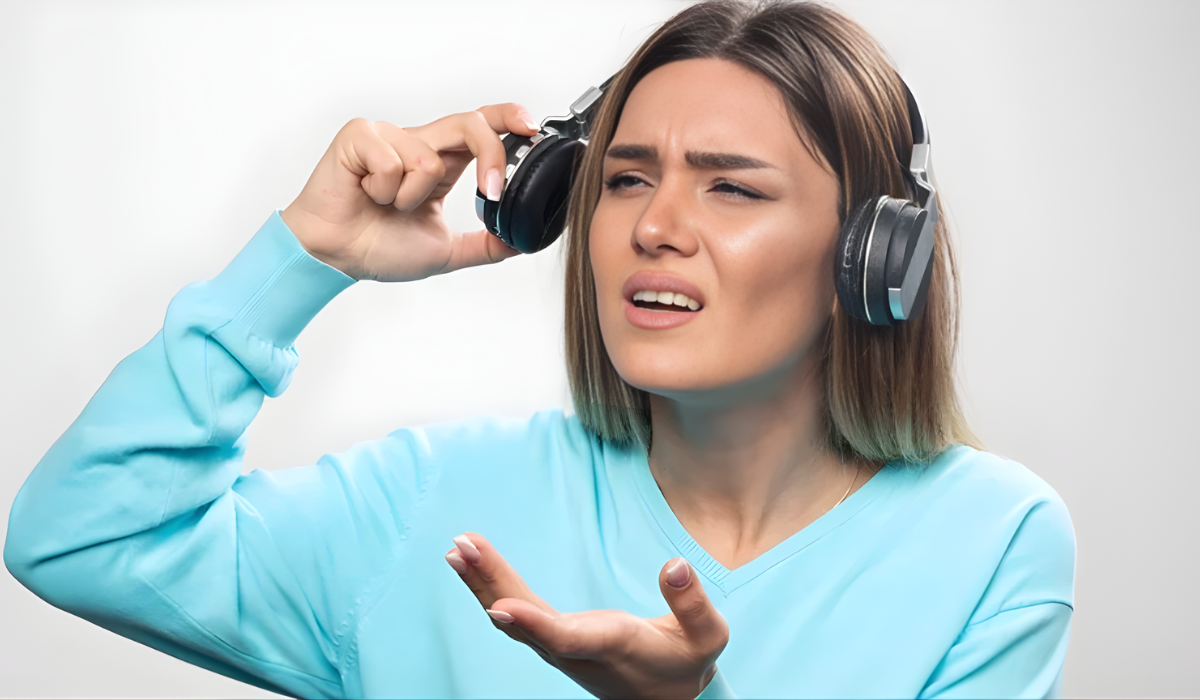
According to the World Health Organization (WHO), over 1.5 billion people globally are living with some degree of hearing loss. Many of the common causes – including ear infections, exposure to loud noise, and prolonged headphone use – are largely preventable. However, early warning signs are frequently overlooked or ignored.
A 2023 study published in the British Medical Journal Global Health estimated that more than one billion teenagers and young adults worldwide are at risk of hearing loss due to unsafe listening practices, including prolonged use of headphones and earbuds, as well as exposure to high noise levels at music venues and events.
The World Health Organization recommends keeping sound levels below 80 decibels (dB) for safe listening. However, this threshold can easily be exceeded through prolonged or excessive headphone use, often without users being aware of it. In addition to volume, the length of listening sessions and the frequency of exposure to loud noise also play a significant role in determining the risk of hearing damage.
The Headphone Hearing Crisis
According to experts, prolonged headphone use carries several risks, including noise-induced hearing loss (NIHL).
NIHL is a common condition that occurs when the delicate structures of the inner ear are damaged by exposure to loud sounds. Such exposure may be occupational, environmental, or recreational in nature, and can result either from sudden intense noise – such as an explosion – or from repeated, long-term exposure, including listening to music through headphones at high volumes.
“Young adults today spend several hours a day using earphones — for work calls, entertainment, music, and gaming — often at volumes that exceed safe limits,” said Dr. NVK Mohan, ENT and Cochlear Implant Surgeon at CK Birla Hospital, Kolkata. “This sustained exposure places continuous strain on the delicate hair cells of the inner ear, leading to permanent damage that cannot be reversed through medication or surgery,” he added.
Extended headphone use is a significant contributor to noise-induced hearing loss (NIHL), as prolonged listening increases auditory stress. A 2021 study from South Korea found that adolescents who used earphones in noisy environments had a 4.5 times higher risk of hearing loss and an 8.4 times higher risk of reporting subjective hearing problems compared to those who did not.
The growing popularity of earbuds has further intensified concerns. Because they sit deep within the ear canal, they can deliver sound waves at greater intensity directly to the eardrum, potentially increasing the risk of damage.
All About Headphones
Headphones generally come in three types – in-ear, on-ear, and over-ear. Does the risk to hearing differ between them?
According to Dr. Ravinder Gera, Principal Director and Head of ENT at Max Hospital, Gurugram, the risk remains largely the same. “If the same sound level is delivered continuously to the eardrum for the same duration, the inner ear essentially receives the same exposure dose. The theoretical risk is therefore similar,” he explained.
However, Dr. Gera noted that in-canal headphones create a tighter seal within the ear, improving sound clarity and potentially allowing users to listen at lower volumes, thereby reducing overall noise exposure.
In contrast, Dr. Anand Gupta, Regional Director (ENT) at Yatharth Super Speciality Hospital, Faridabad, said over-the-ear headphones may be a safer option, as they do not channel sound directly into the ear canal at high intensity.
Headphones equipped with active noise cancellation (ANC) serve two main purposes: reducing background noise and delivering clearer audio. They can be particularly beneficial in noisy environments, such as areas with construction activity or heavy traffic, by minimizing the need to raise the volume.
“Noise-cancelling headphones can lower the risk of hearing damage because users don’t have to increase the volume to hear clearly,” Dr. Gupta explained.
However, if ANC headphones are used to play audio at excessively high volumes, they can still cause harm. When used at moderate levels, they may offer an advantage over regular headphones – though experts emphasize that listening duration and volume should always be carefully managed.
How to Protect Your Hearing
Although noise-induced hearing loss (NIHL) tends to worsen over time and is generally permanent, it can be prevented with the right precautions.
Limit headphone use as much as possible. When you do use them, follow the 60–60 rule: keep the volume below 60% and avoid listening for more than 60 minutes at a time.
“Another helpful practice is incorporating regular quiet breaks – even five to ten minutes of silence every hour can reduce continuous noise exposure and allow the ears to recover,” Dr. Gera advised.
Regular hearing check-ups are also important. If you notice persistent ringing in the ears (tinnitus) or difficulty hearing clearly, seek medical advice without delay.
For individuals whose work involves unavoidable exposure to loud noise, Dr. Gera recommends periodic audiometric testing. This helps detect early changes in hearing thresholds, allowing adjustments in listening habits, device usage, or workplace safeguards before significant hearing loss occurs.